FROM LAND AND WATER RESOURCES TO FOOD SECURITY: CLIMATE-RESILIENT AGRICULTURAL DEVELOPMENT IN CENTRAL ASIA
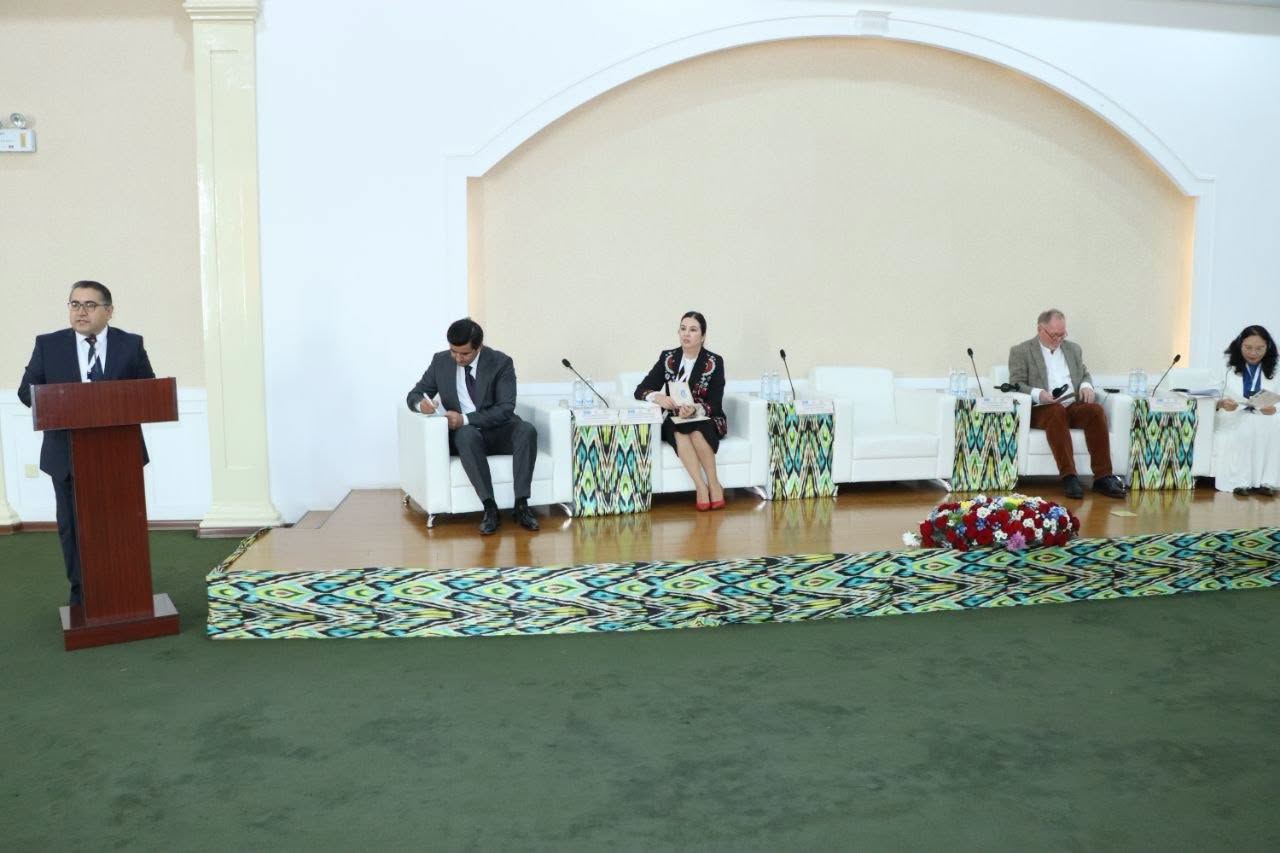
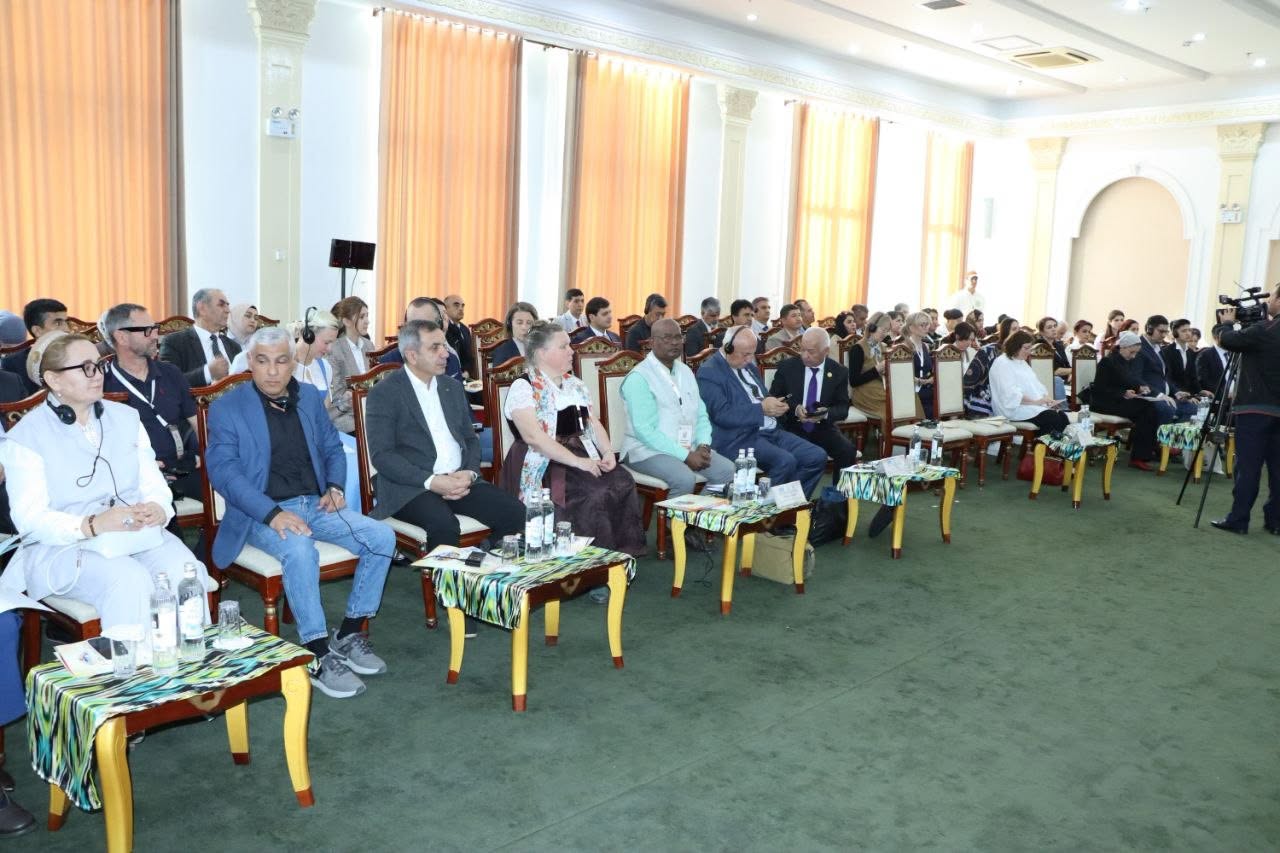
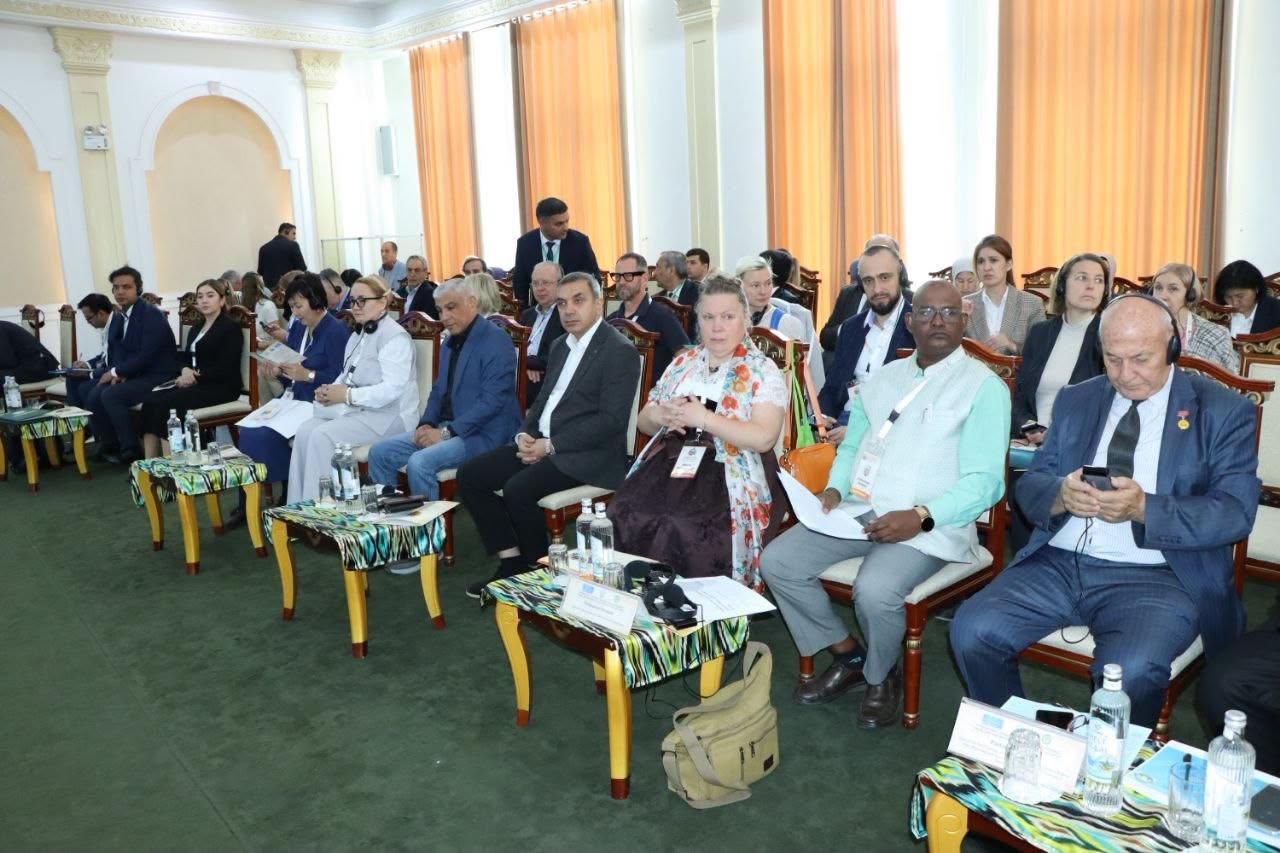
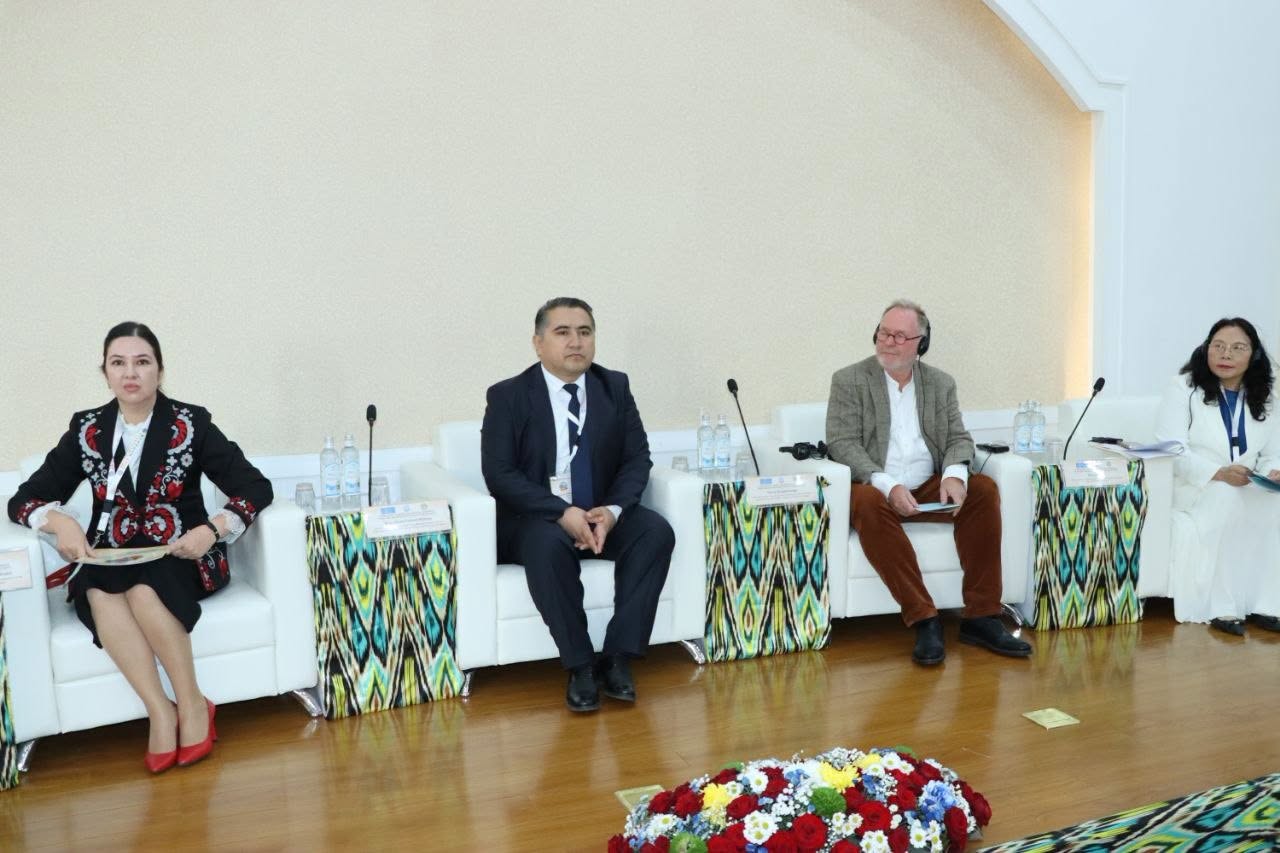
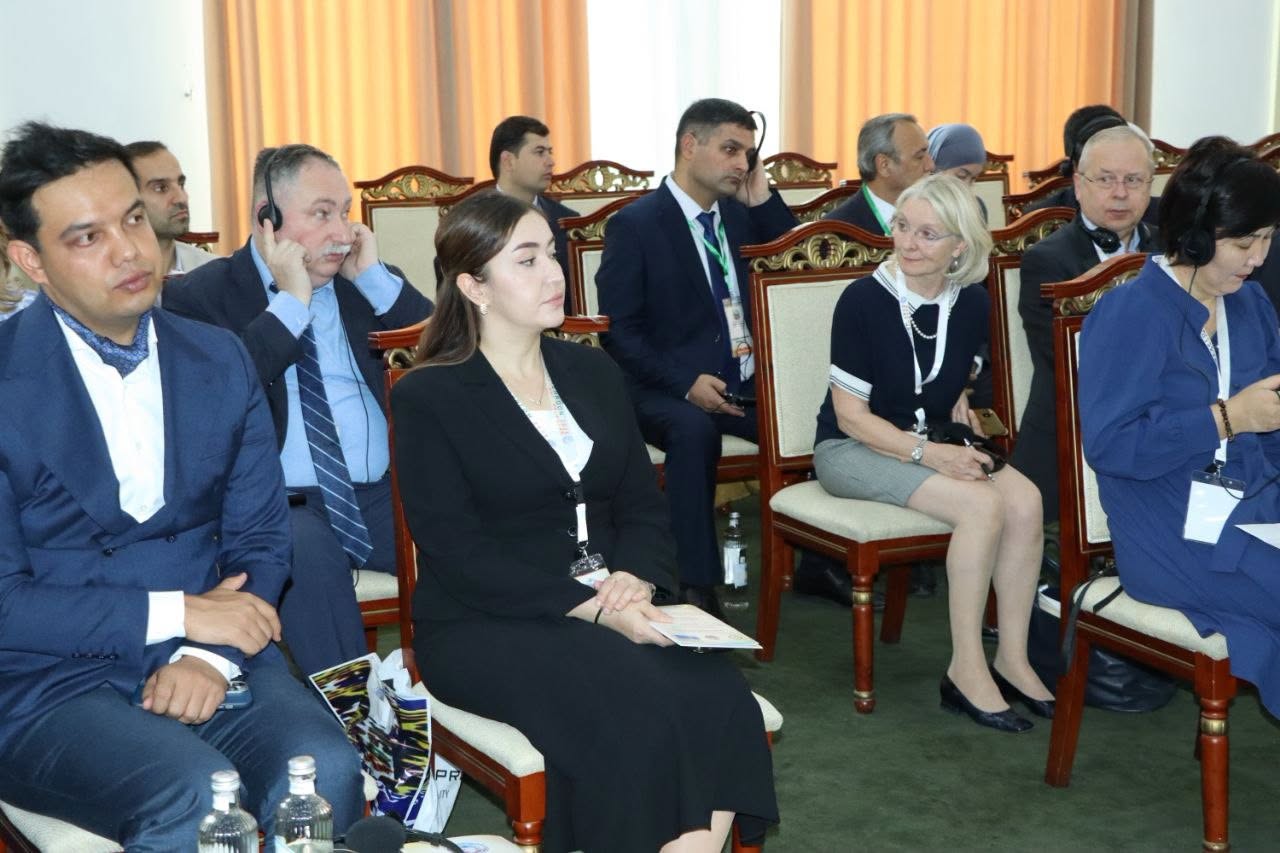
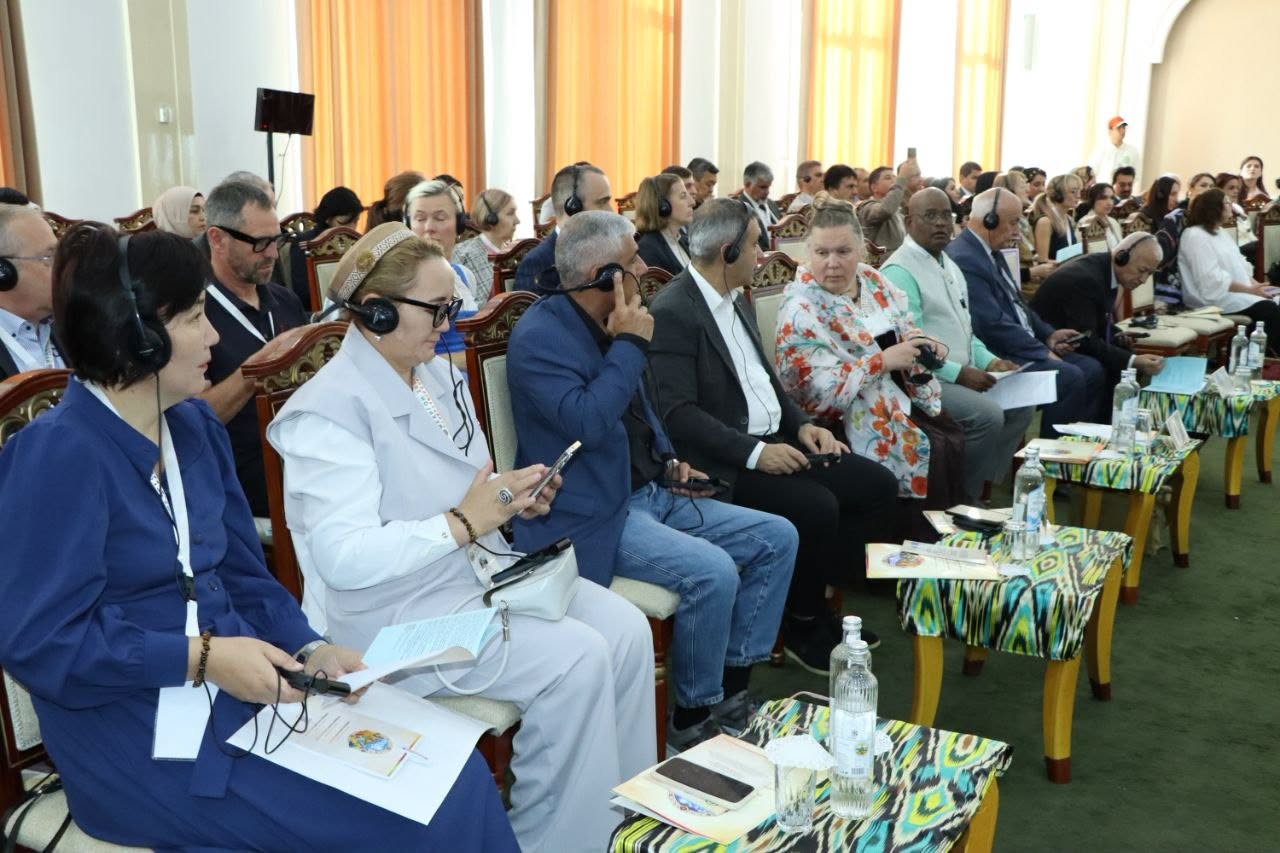
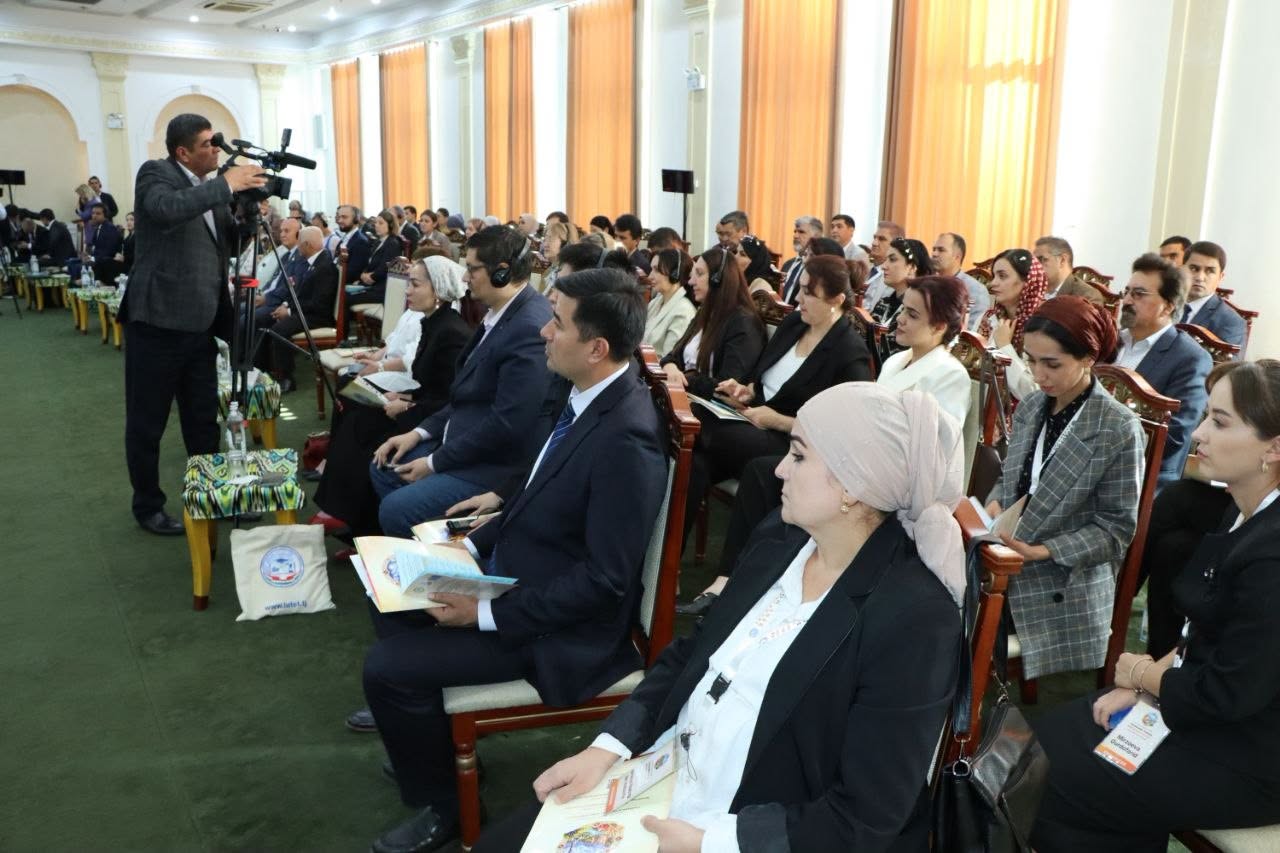
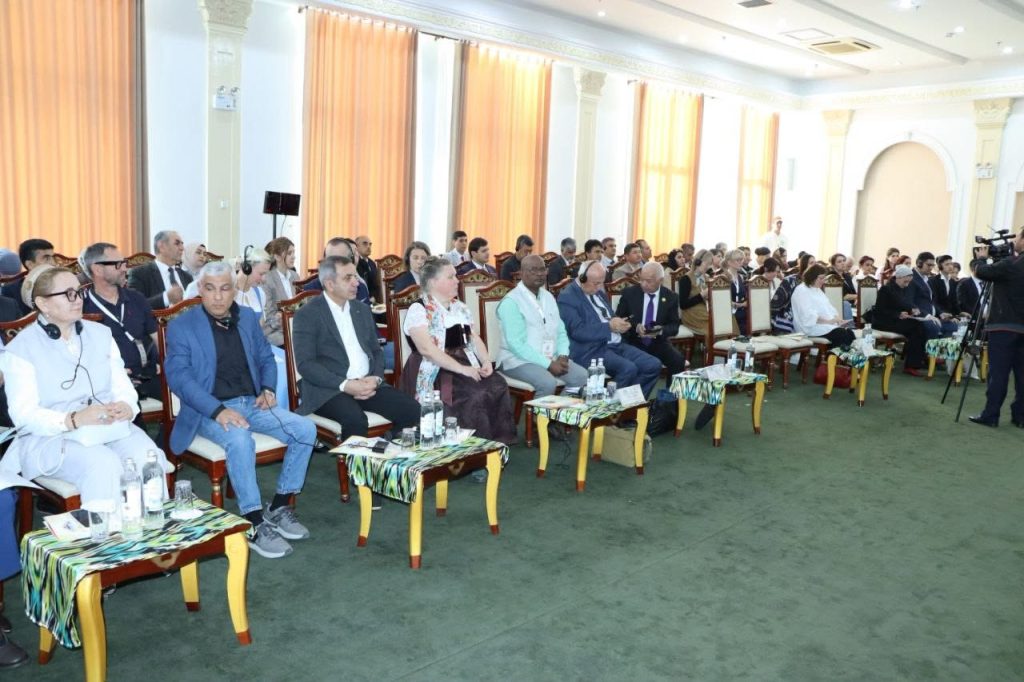
As part of the International Forum «Sustainable Tourism and Cultural Heritage», held with the support of the Government of the Republic of Tajikistan at the Tajik International University of Tourism and Entrepreneurship from 13 to 18 October of this year, an International scientific and practical conference was held on 14 October 2026 at the National Library of Tajikistan. Its theme was «From Land and Water Resources to Food Security: Climate-Resilient Agricultural Development in Central Asia».
The conference was organized on the initiative of the Research Institute for Sustainable Development and Green Economy of the Tajik International University of Tourism and Entrepreneurship, in cooperation with Gottfried Wilhelm Leibniz University Hannover (Germany).
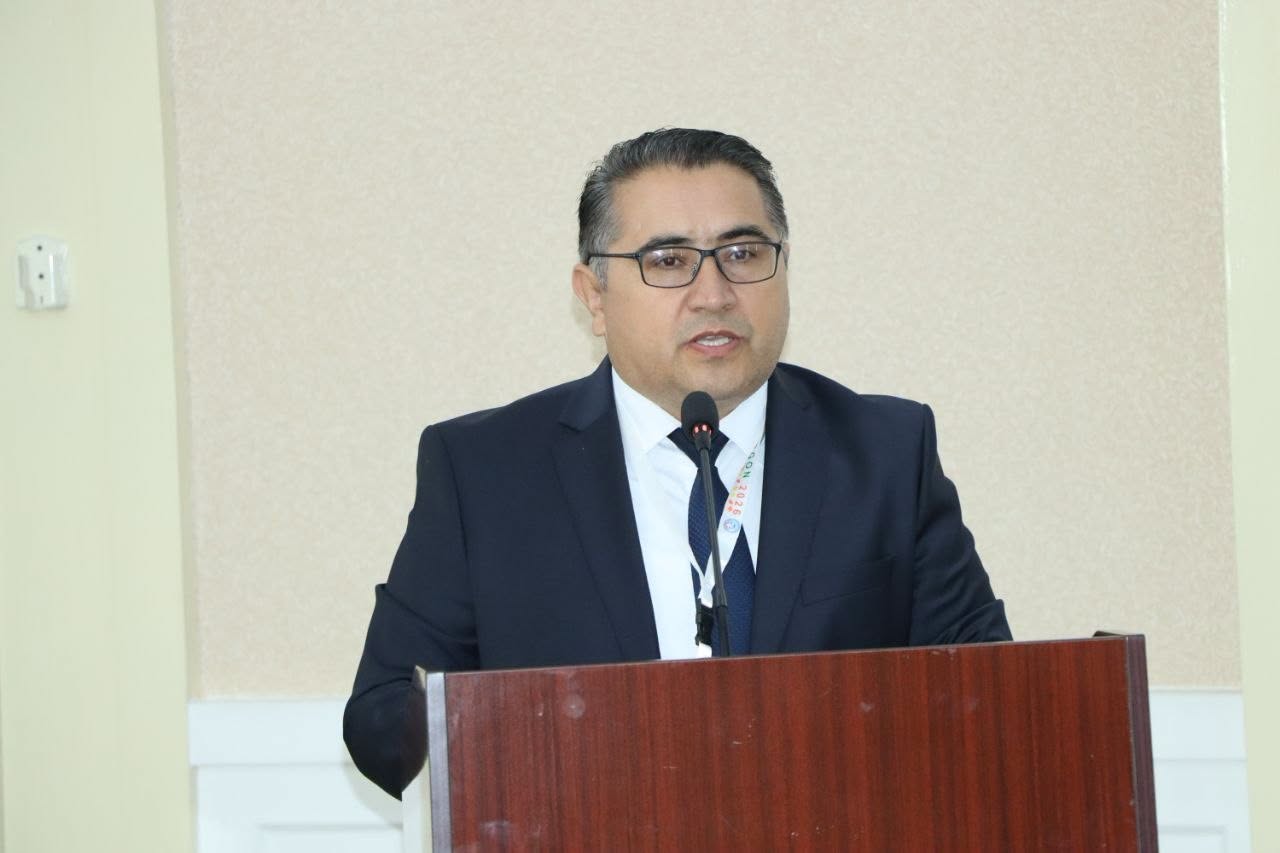
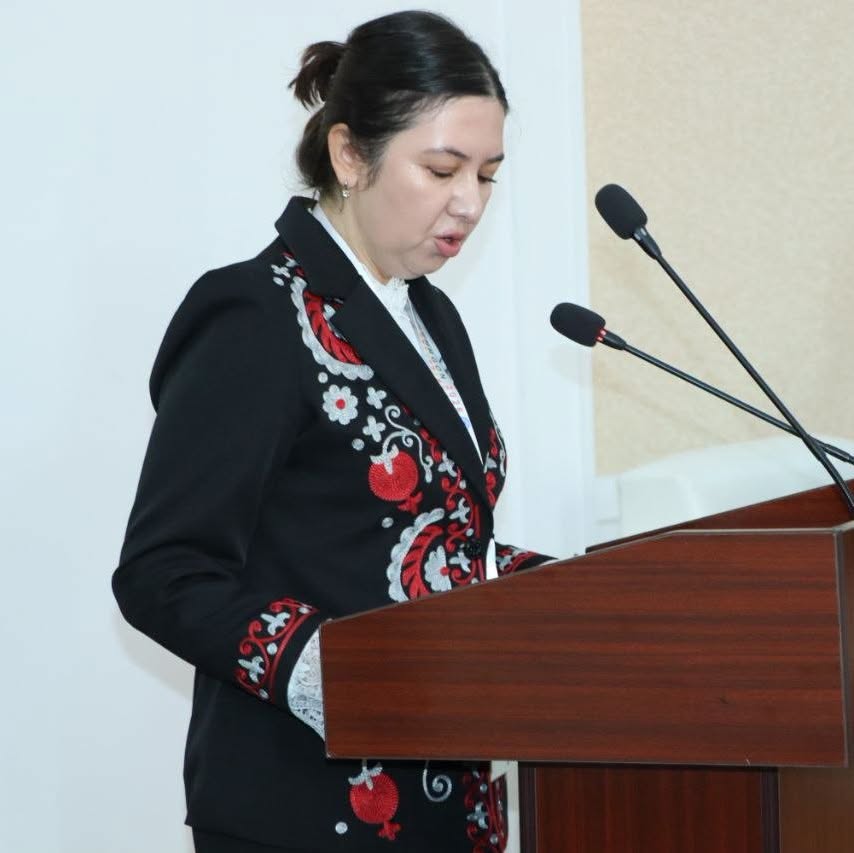
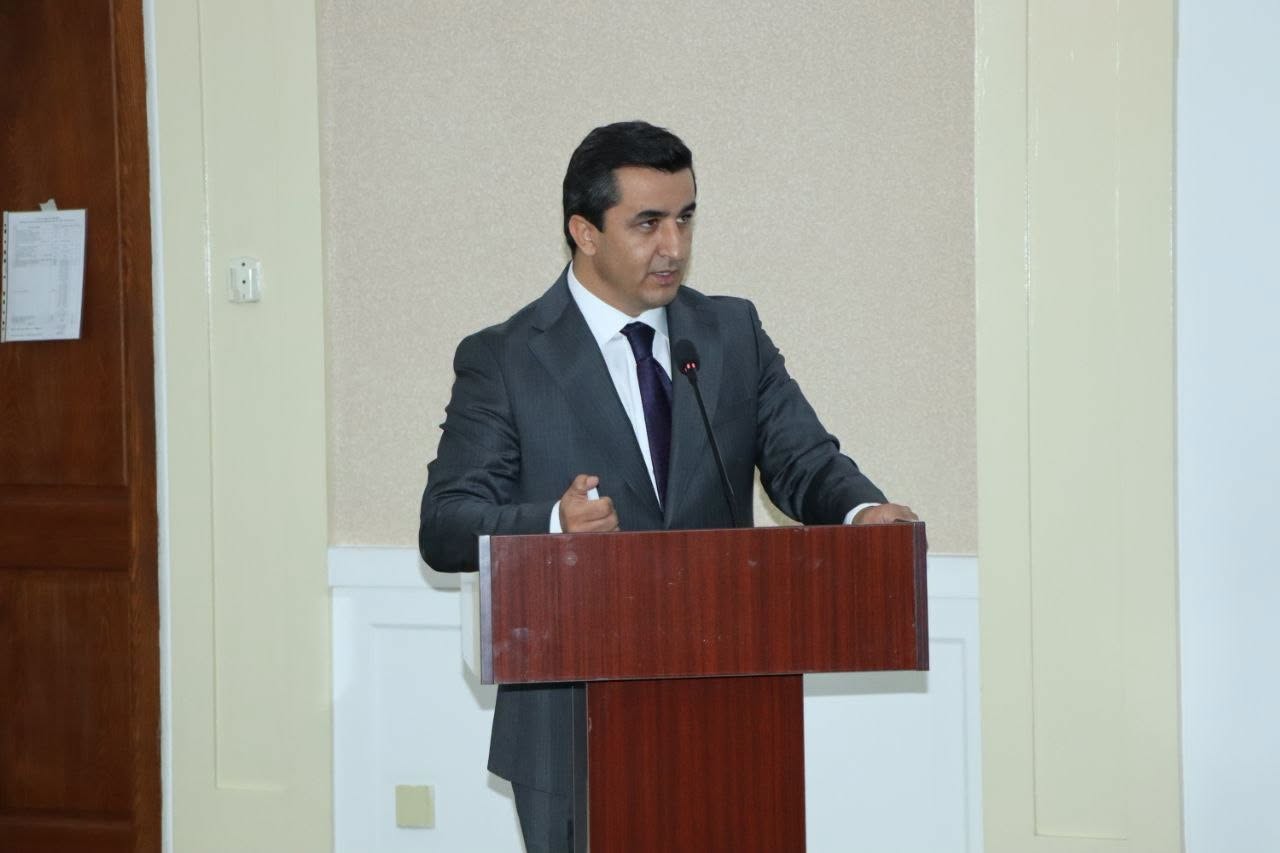
Welcoming remarks were delivered by Professor Zulfiya Qurbonzoda, Vice-Rector for Strategic Development and Quality Management of the Tajik International University of Tourism and Entrepreneurship, and Professor Farhod Sharofzoda, Director of the Research Institute for Sustainable Development and Green Economy of the same university. They identified the main objectives of the event as discussing the efficient use of land and water resources, soil conservation, the prevention of land degradation, the adaptation of the agricultural sector to climate change, and the strengthening of food security in Central Asia.
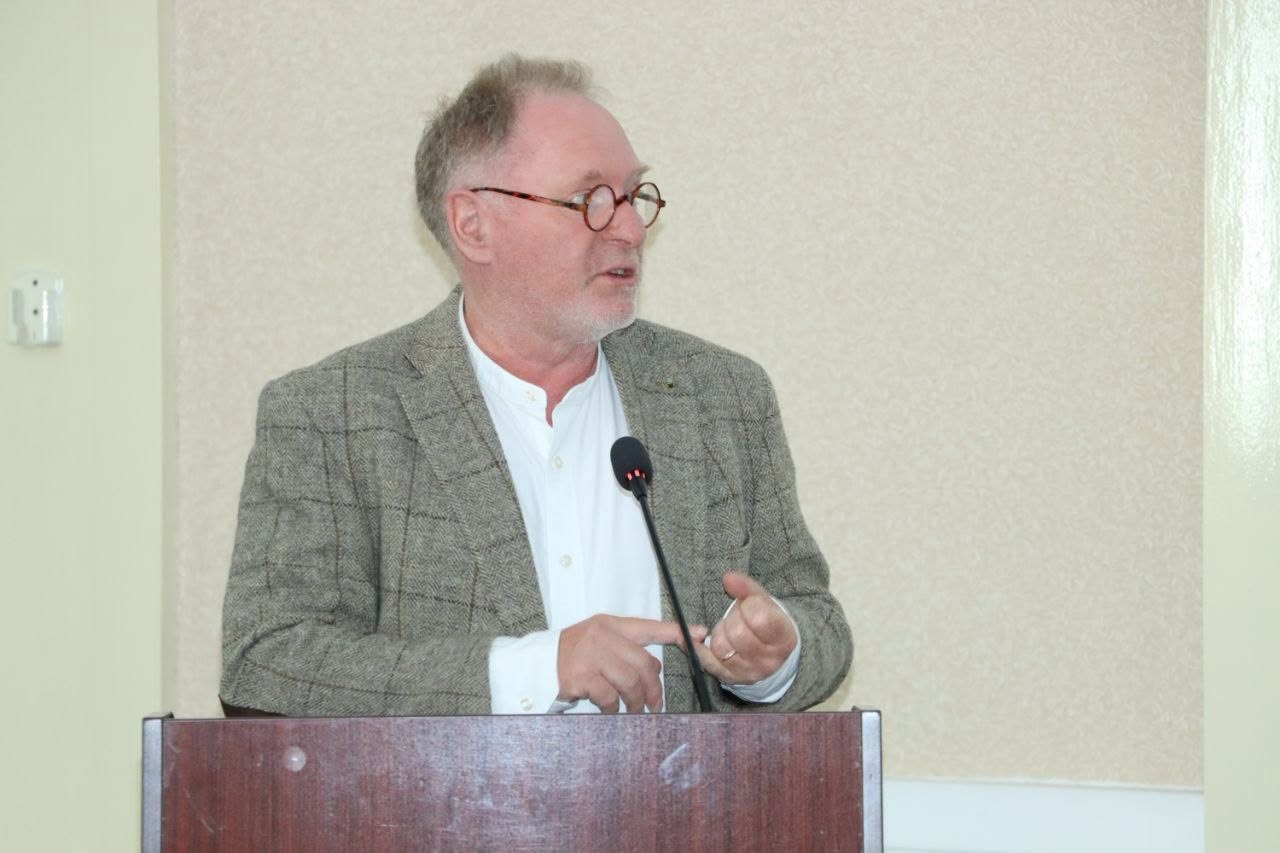
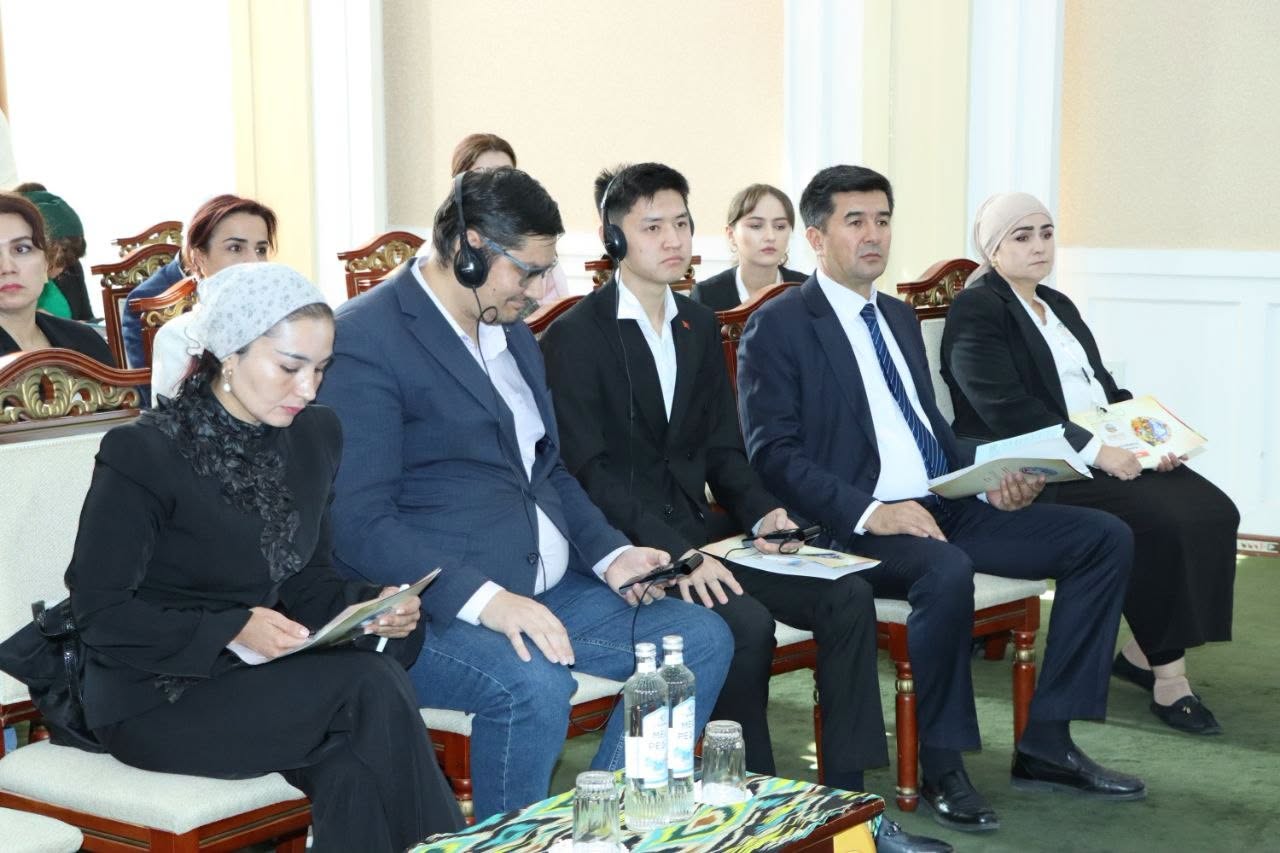
Scholars, researchers, and representatives of Research Institutions and Universities from Tajikistan, Germany, the People’s Republic of China, the Russian Federation, the Republic of Uzbekistan, and the Republic of India took part in the conference. They presented the results of their research and their experience in sustainable agricultural development. Scientific papers were presented by:
– Professor Georg Guggenberger, Executive Director of the Soil Science Section, Institute of Earth System Sciences, Leibniz University Hannover (Germany): «Soil in Interaction with Environmental Quality: Food Security and Human Health»;
– Professor Sharif Aminov, Head of the Department of Soil Monitoring and Erosion Control, Institute of Soil Science and Agrochemistry, Academy of Agricultural Sciences of Tajikistan: «Land Degradation and Ways to Prevent It in Tajikistan»;
– Professor Wang Haiyan, Deputy Director of the Institute of Russian and Eurasian Studies, East China Normal University: «Prospects for China – Central Asia Cooperation in Sustainable Agricultural Development»;
– Dr. Denis Borisov, Head of the Laboratory-Centre for Comparative Studies «Russia – Central Asia», Novosibirsk State University of Economics and Management: «How Is Resilience Created? From Farmers’ Experience to Institutional Mechanisms Adapted to Climate Change in Central Asia»;
– Dr. Chittaranjan Senapati, Faculty Member, Giri Institute of Development Studies (India): «Food Security and Livelihood Vulnerability under Climate Stress: A Human Security Approach in Central Asia»;
– Professor Olga Shibistova, Senior Researcher, Soil Science Section, Institute of Earth System Sciences, Leibniz University Hannover (Germany): «From Degradation to Soil Improvement: Capacity Building for Sustainable Agriculture in Central Asia»;
– Professor Qurbonali Partoev, Head of the Laboratory of Plant Genetics and Breeding, Institute of Botany, Plant Physiology and Genetics, National Academy of Sciences of Tajikistan: «The Role of Plant Breeding in Climate Change Adaptation and Food Security in Tajikistan»;
– Mr. Martin Balke, certified forestry engineer and Head of the Department of Forestry and Wildlife Conservation, Thuringian Forestry Agency (Germany): «Hunting and Sustainable Wildlife Management in Germany»;
[05.11.2026 8:33] М: – Ms. Husnoro Saidova, member of the Women’s Forum of the Kofarnihon River Basin: «Glacier Melt in the Kofarnihon River Basin: Causes, Consequences, and Prospects for Tajikistan’s Water Resources»;
– Ms. Natalie Osterfeld, Tourism Development Manager (Germany): «Sustainable Tourism and Cultural Heritage in the Garmisch-Partenkirchen Mountain Region».
The scientific programme of the conference covered soil improvement and ecosystem functioning, ways to prevent land degradation, prospects for international cooperation in agriculture, the role of plant breeding in adaptation to climate change, the impact of glacier melt on water resources, and the vulnerability of food security under climatic pressures.
The conference discussed the development of effective mechanisms for adapting agriculture to climate change, the rational use of natural resources, and the strengthening of regional and international scientific cooperation.
It was emphasized that climate change, the degradation of land and water resources, and rising demand for food products call for closer scientific cooperation and the search for new ways of ensuring food security. In this context, cooperation between research institutions and universities is of particular importance in developing scientific and practical recommendations for sustainable agricultural development.
The outcomes of the conference are expected to contribute to the expansion of international scientific cooperation, the exchange of best practices, and the development of well-founded proposals for climate-resilient agriculture and food security in Central Asia.