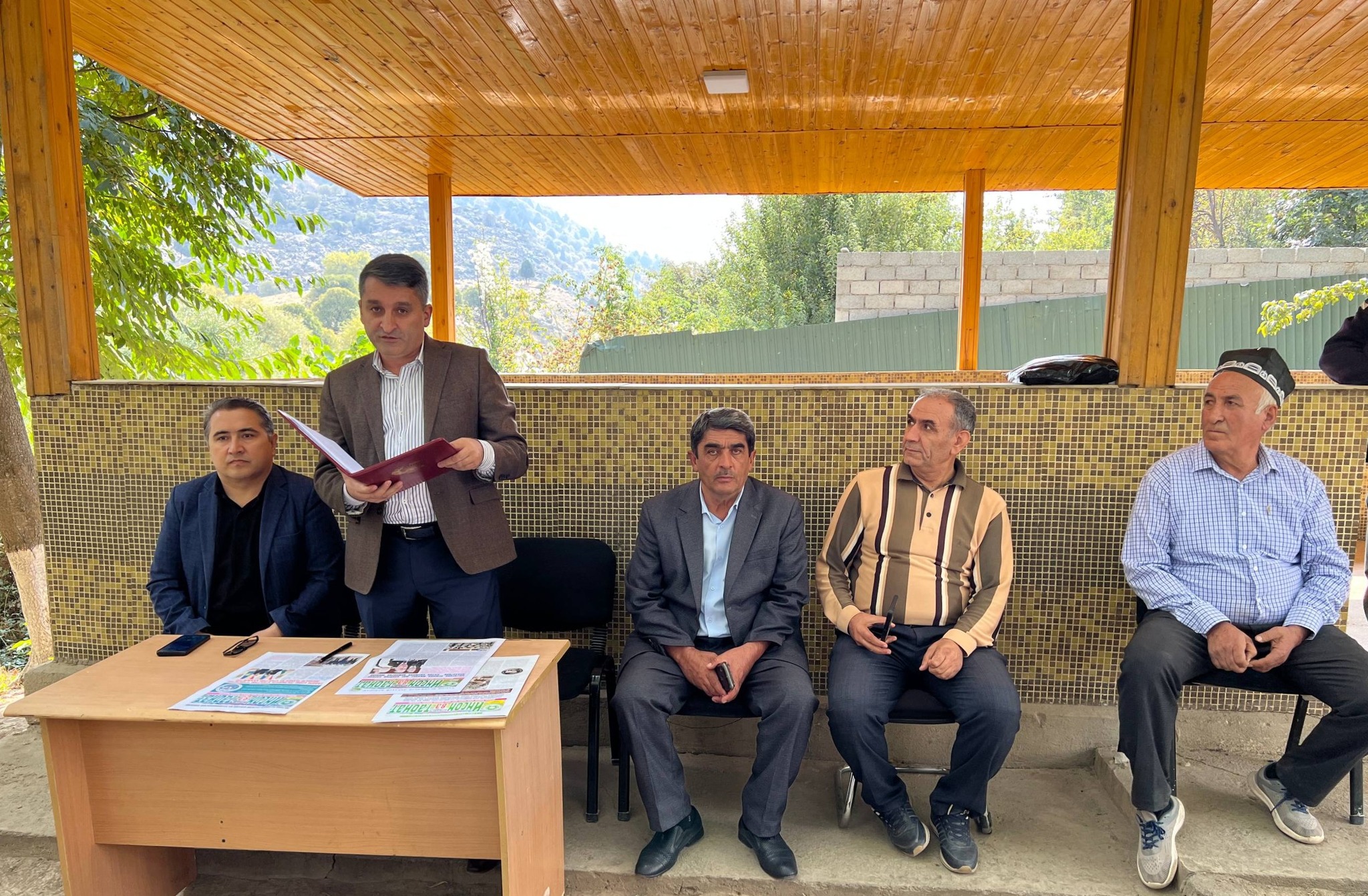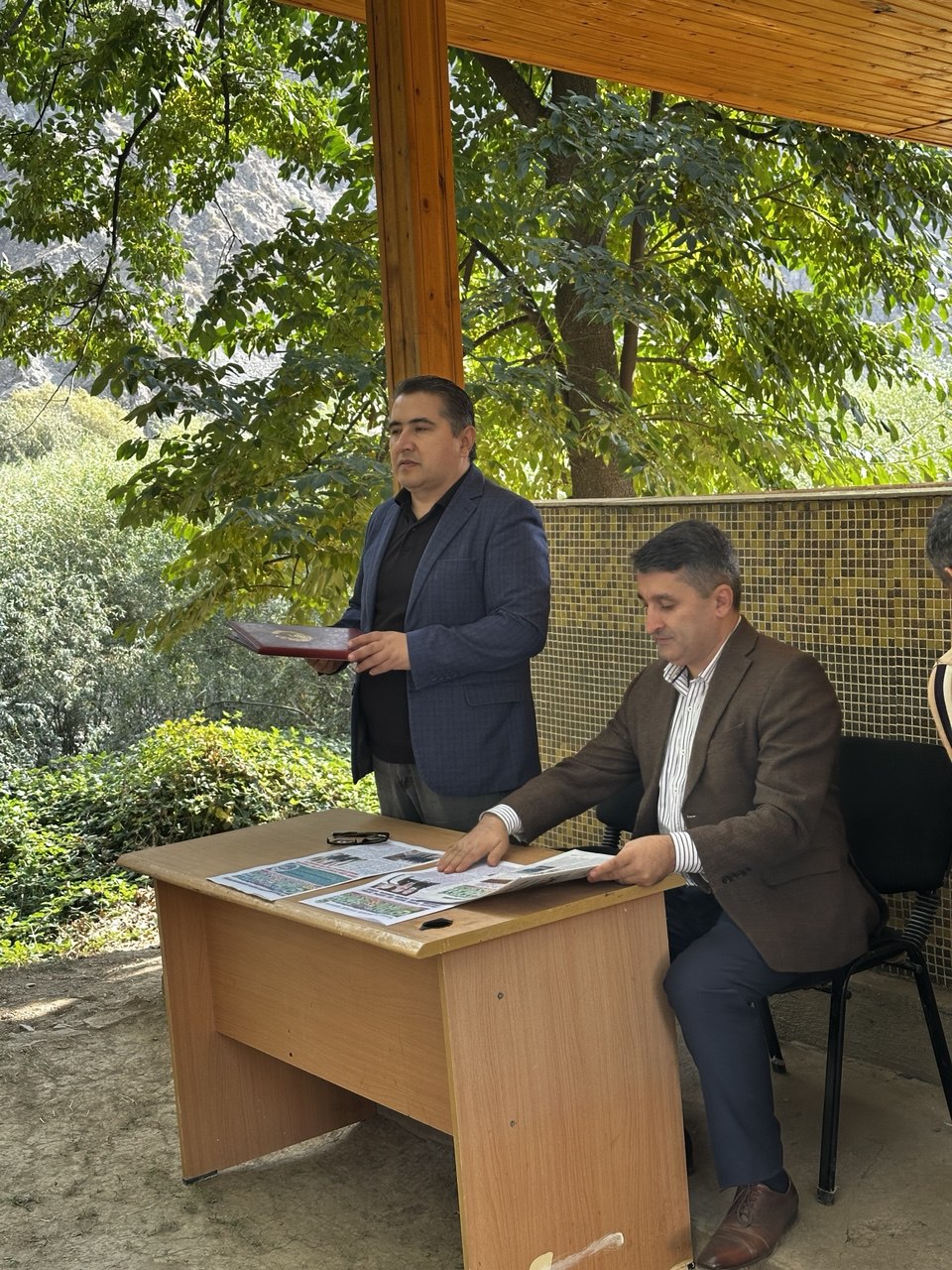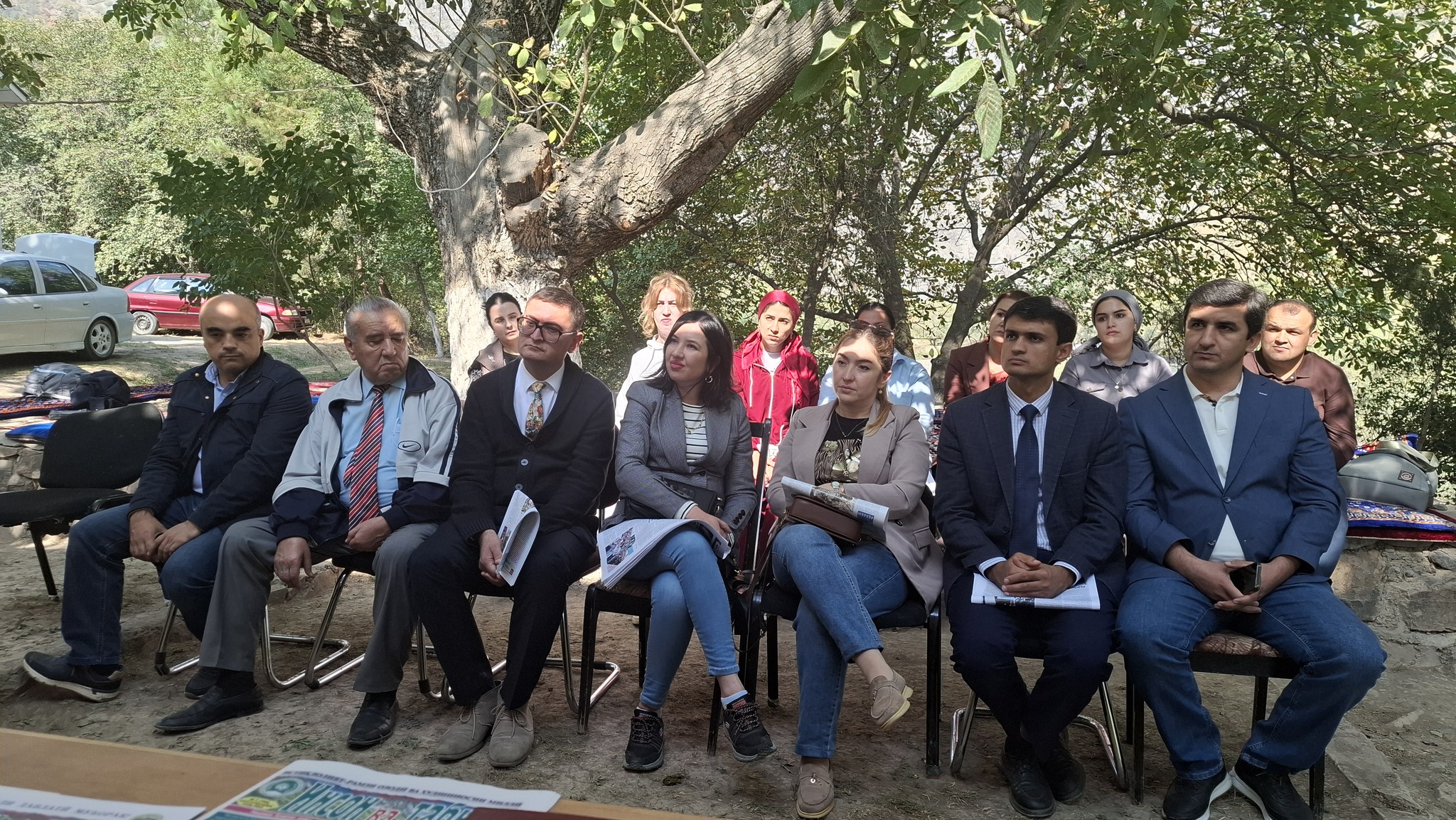
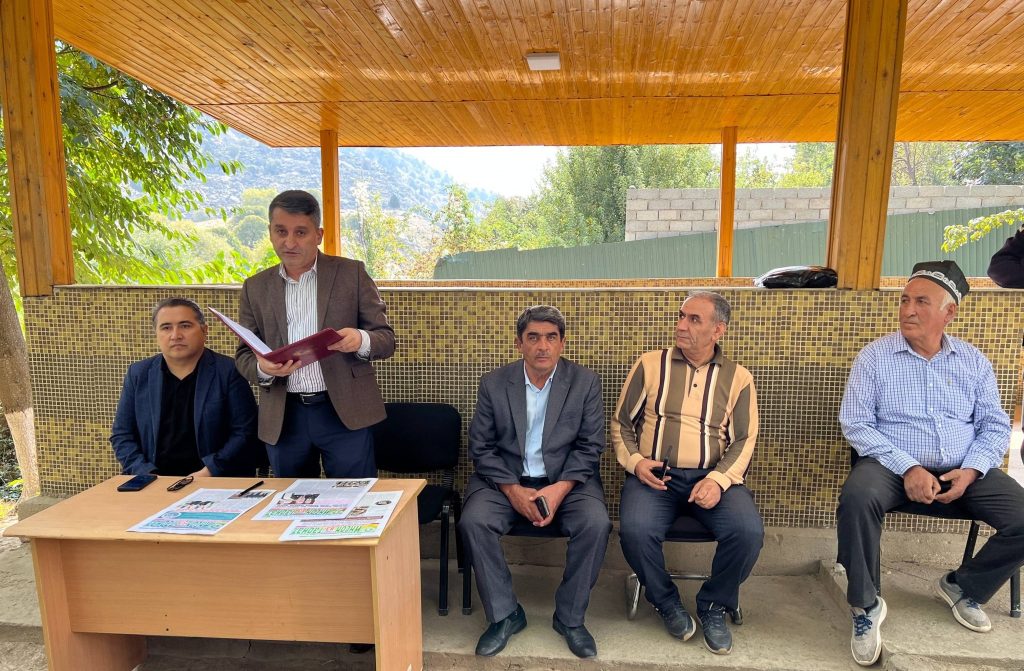
SCIENTIFIC AND PRACTICAL SEMINAR ON “BIODIVERSITY CONSERVATION AS A FACTOR IN THE DEVELOPMENT OF ECOTOURISM”
Under the far-sighted policy of the Leader of the Nation, President of the Republic of Tajikistan, His Excellency Emomali Rahmon, the conservation of biodiversity and the development of ecotourism are regarded in the country as key strategic directions of sustainable development. During the President’s meeting with the leadership and staff of the Committee for Environmental Protection under the Government of the Republic of Tajikistan, held in September 2025, the Leader of the Nation emphasized that “preserving the country’s biodiversity, protecting rare flora and fauna, and developing ecotourism as a means of raising environmental awareness and ensuring the sustainable use of natural resources are important tasks for state authorities and civil society.”
The Head of State noted that the Republic of Tajikistan possesses unique natural resources and distinctive ecosystems, and that protecting them and transforming them into a driver of ecotourism development can contribute to achieving the Sustainable Development Goals, creating new jobs, improving living standards, and promoting the country’s tourism potential internationally. In his address, the Leader of the Nation instructed that a draft “National Strategy for Biodiversity Conservation” and a “Programme for the Development of Specially Protected Natural Areas for 2026–2030” be developed and submitted to the Government.
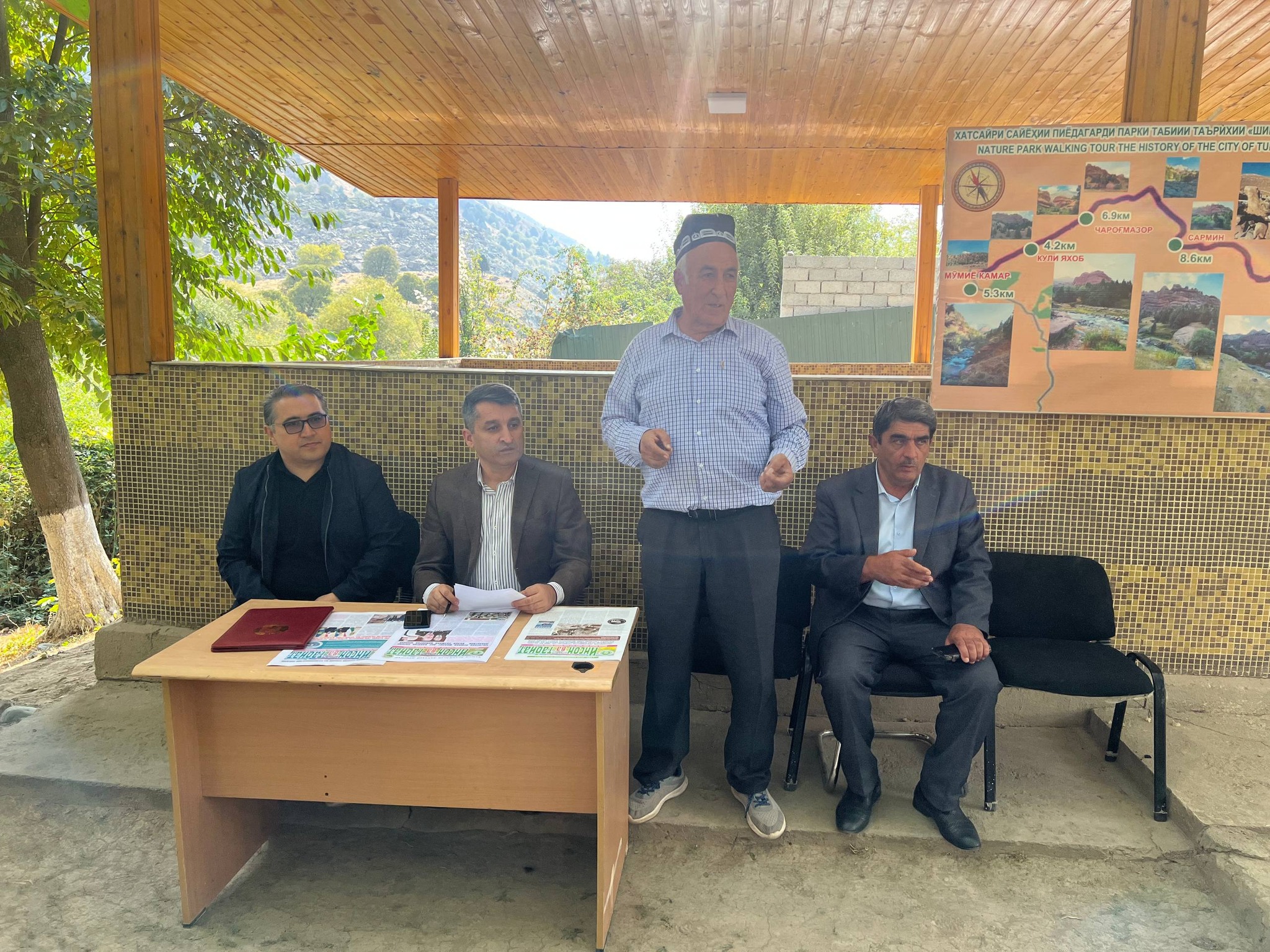
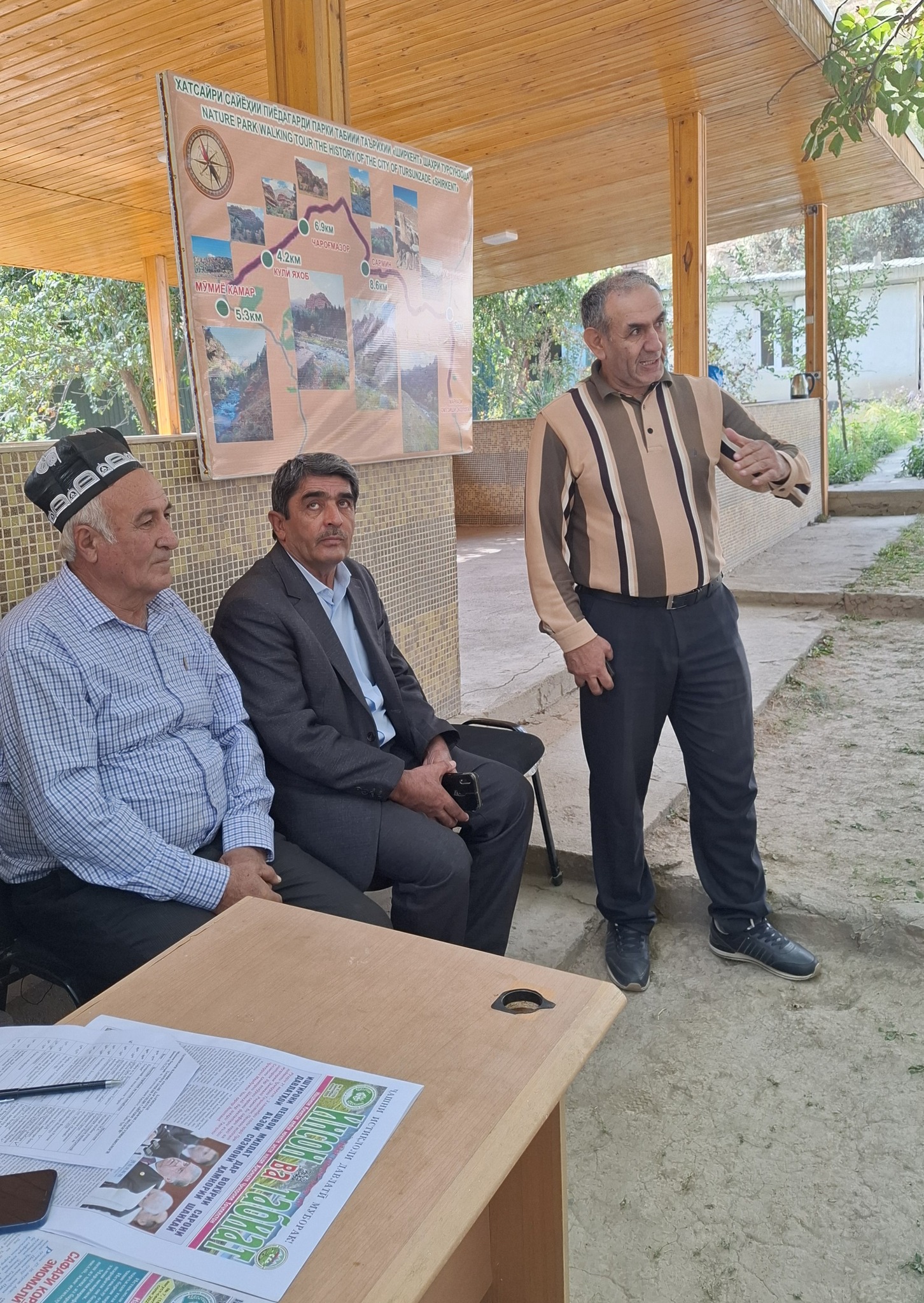
In this context, on 8 October 2025, on the initiative of the Research Institute for Sustainable Development and Green Economy of the International University of Tourism and Entrepreneurship of Tajikistan, in cooperation with the Aarhus Centre under the Committee for Environmental Protection under the Government of the Republic of Tajikistan and the production cooperative “Hakimi,” a scientific and practical seminar entitled “Biodiversity Conservation as a Factor in the Development of Ecotourism” was held at the Environmental Training Center of the Shirkent Natural-Historical Park, located in the picturesque Karatag Valley.
The main purpose of the seminar was to strengthen cooperation in environmental protection and ecotourism development, raise environmental awareness in society, and promote the natural and tourism potential of the Republic of Tajikistan.
At the opening of the event, the Head of the University’s Department of Science and Innovation, Doctor of Law and Professor Nekruz Abdunabievich Qudratov, and the Institute’s Director, Doctor of Economics and Professor Farhod Razzoq Sharofzoda, spoke about the strategic and scientific importance of biodiversity conservation for sustainable development and the achievement of national goals. It was noted that integrating environmental policy and the green economy with the development of the tourism sector can help protect natural resources and improve public well-being.
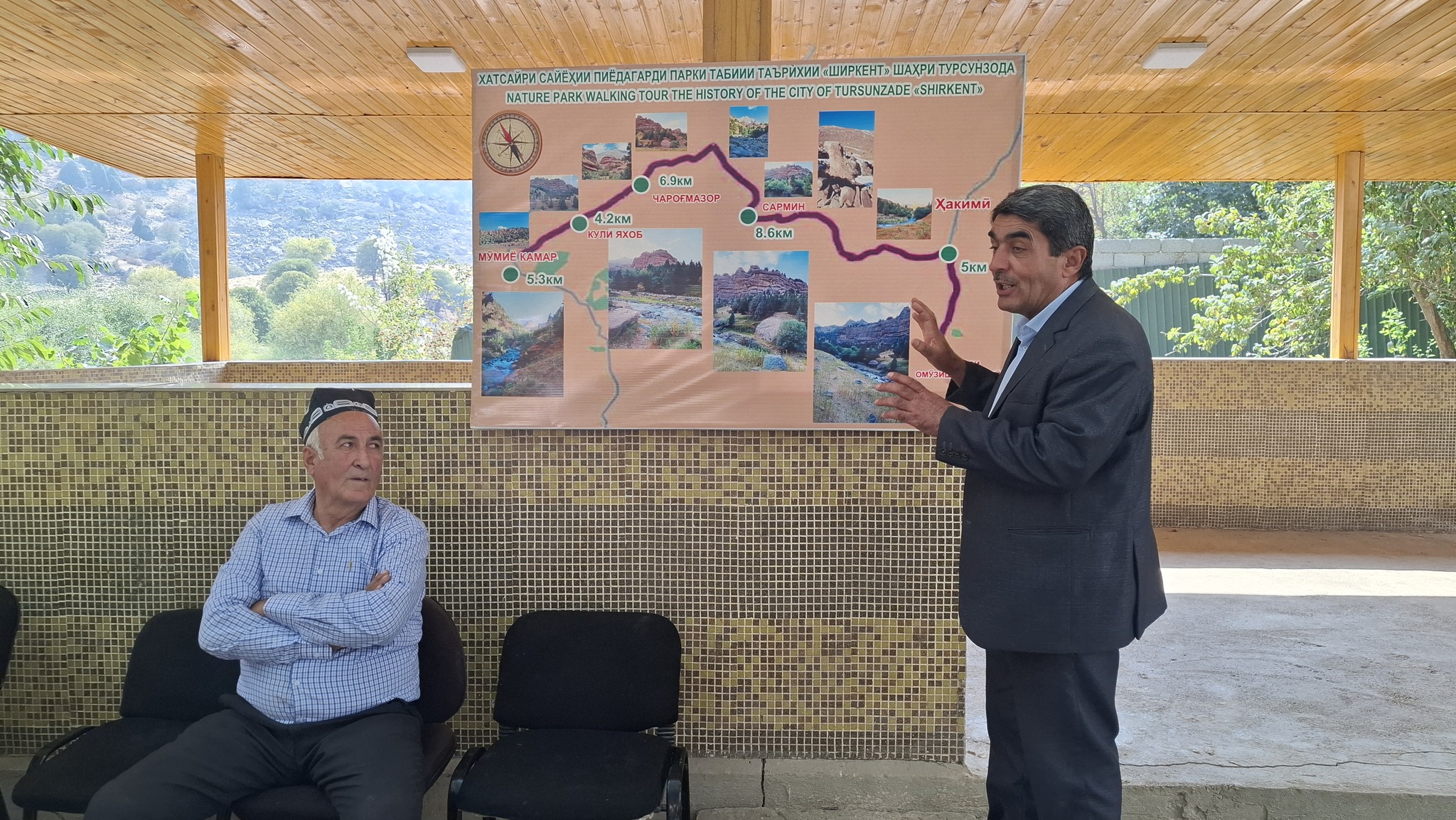
During the seminar, Ma’ruf Bekmurodovich Sharipov, Director of Shirkent Natural-Historical Park, spoke about the park’s tourist routes and its importance for ecotourism development; Jamoliddin Yakubov, Head of the Aarhus Centre of the Committee for Environmental Protection under the Government of the Republic of Tajikistan, addressed the role of information in ensuring biodiversity sustainability; and Qutbiddin Rajabov, founder of the public organization “Specially Protected Area” and the production cooperative “Hakimi,” presented practical experience in conserving and protecting Amu Darya trout in the Shirkent area.
Next, the Institute’s Deputy Director, Doctor of Political Sciences and Professor Zulfiya Qurbonzoda, delivered a presentation titled “Protecting Tajikistan’s Nature: Awareness Begins in the Family,” highlighting the role of the family in shaping environmental culture. This was followed by an analytical report by the Head of the Institute’s Department of Sustainable Agriculture and Food Security, Doctor of Economics and Associate Professor Firdavs Arabov, on environmental management and the development of ecotourism in Tajikistan, explaining priority areas for integrating the green economy with ecotourism.
In the discussion session, the Institute’s Deputy Director, Candidate of Legal Sciences and Associate Professor Gulshan Gurezovna Bodurova, and the Chief Researcher, Doctor of Technical Sciences and Professor Hamid Majidov, shared their views related to the seminar’s topic.
In the practical part of the seminar, participants visited the routes of Shirkent Natural-Historical Park and took part in a symbolic activity of releasing young fish into the Karatag River. This initiative was viewed as a symbol of the social responsibility of scholars and researchers in protecting the country’s ecosystems and ensuring environmental sustainability.
Held in an atmosphere of academic cooperation and responsible attitudes toward nature, the seminar made an important contribution to strengthening environmental awareness in society and advancing national initiatives in the field of the green economy.