STATE INDEPENDENCE AND THE FORMATION OF THE GREEN ECONOMY IN THE REPUBLIC OF TAJIKISTAN
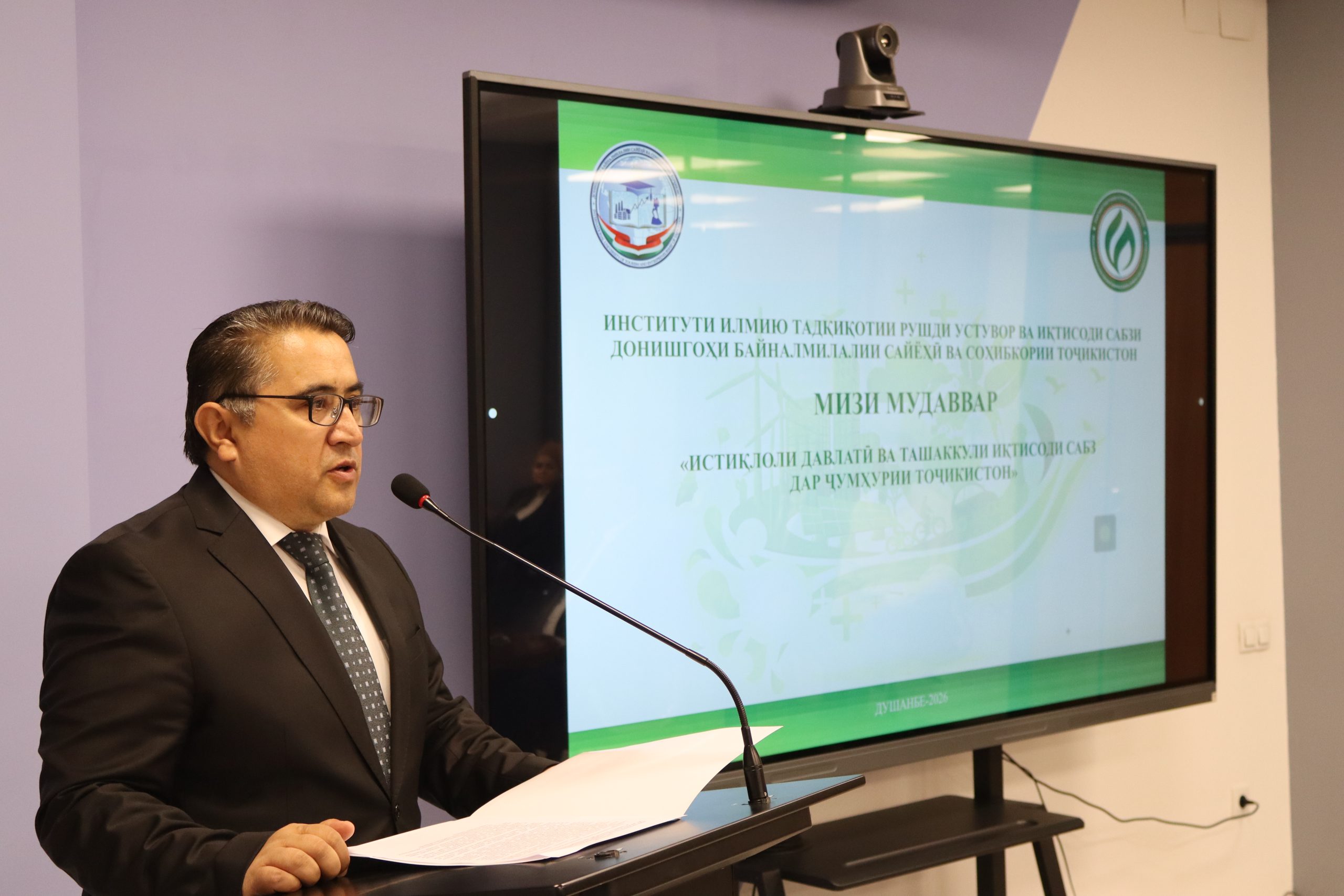
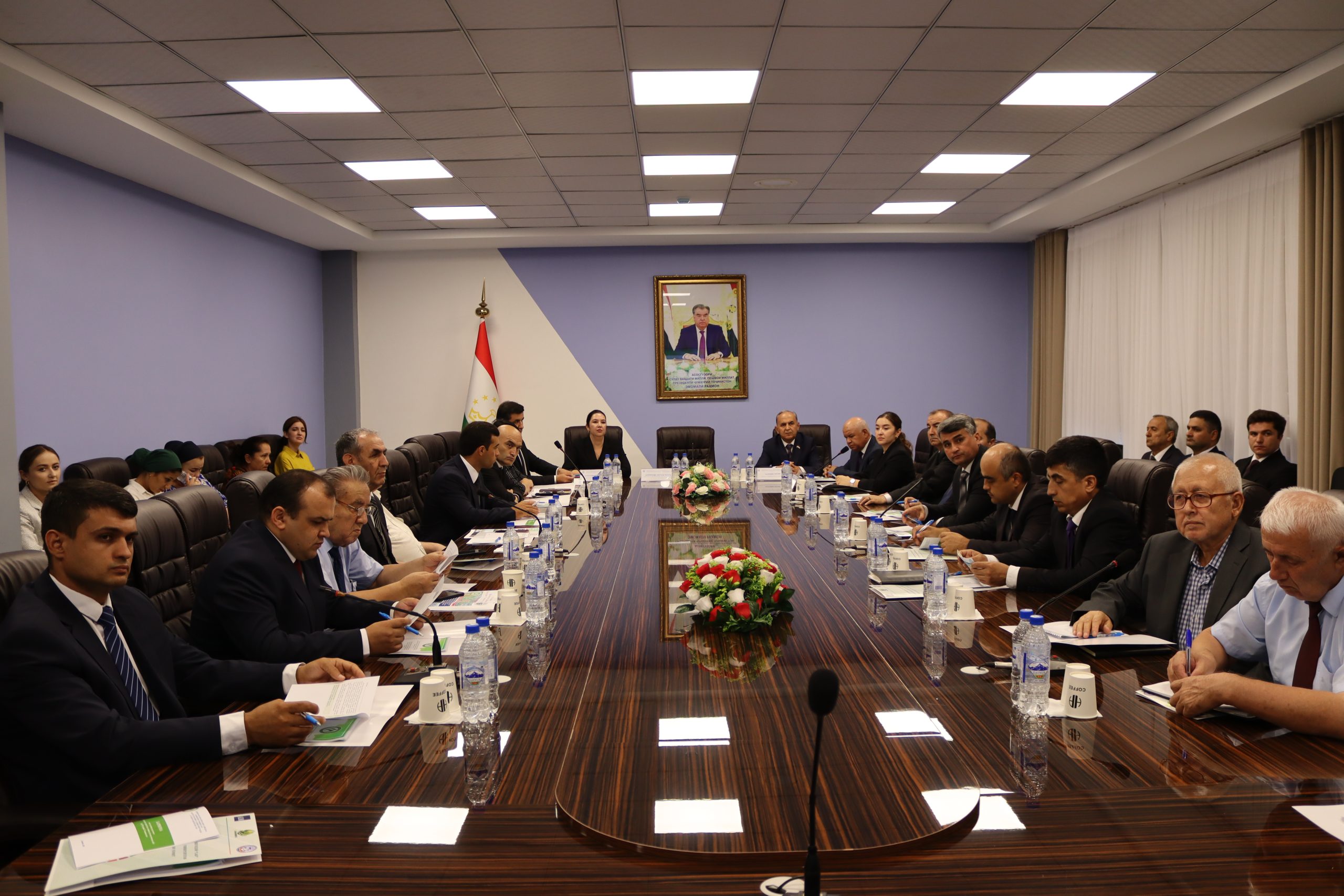
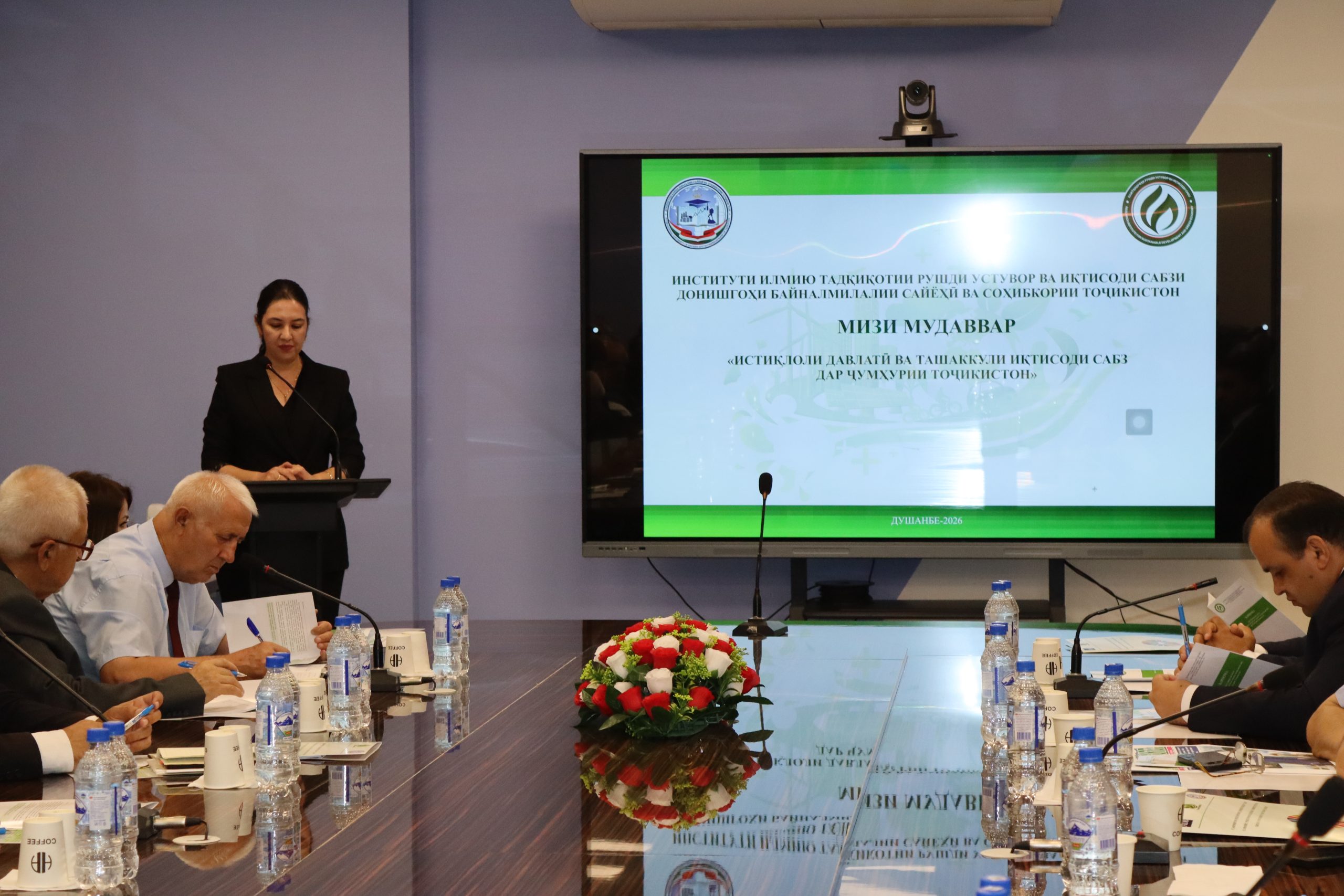
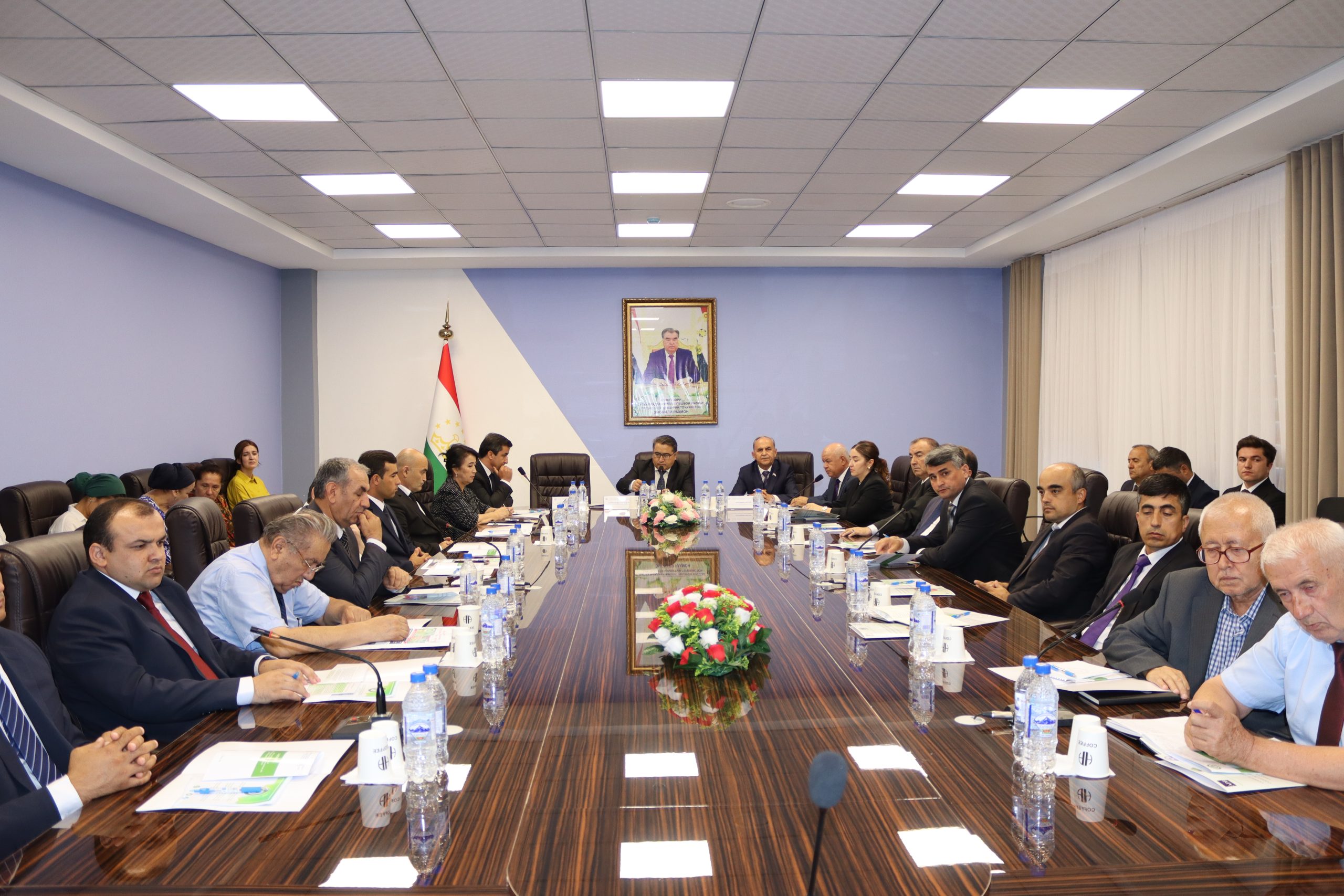
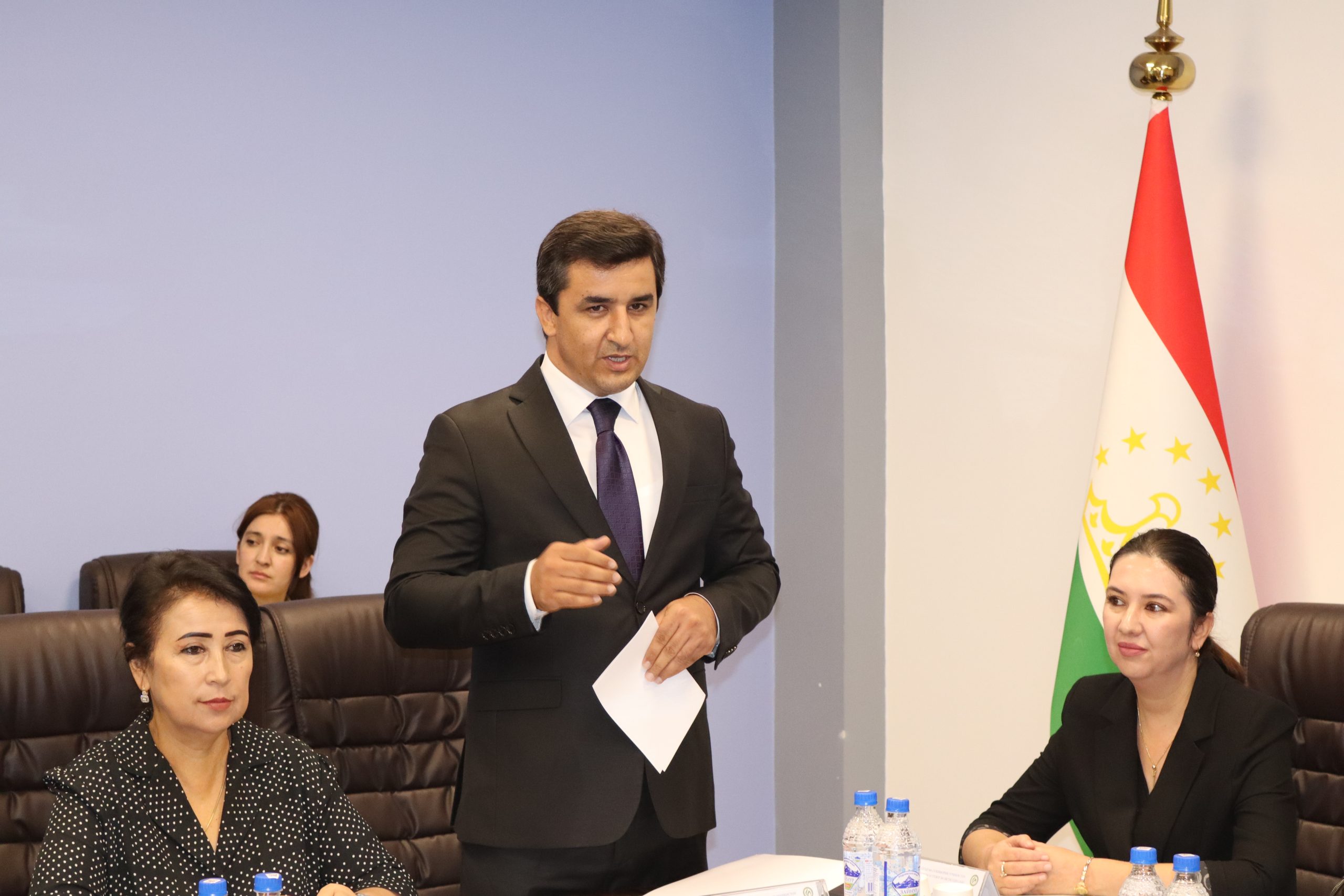
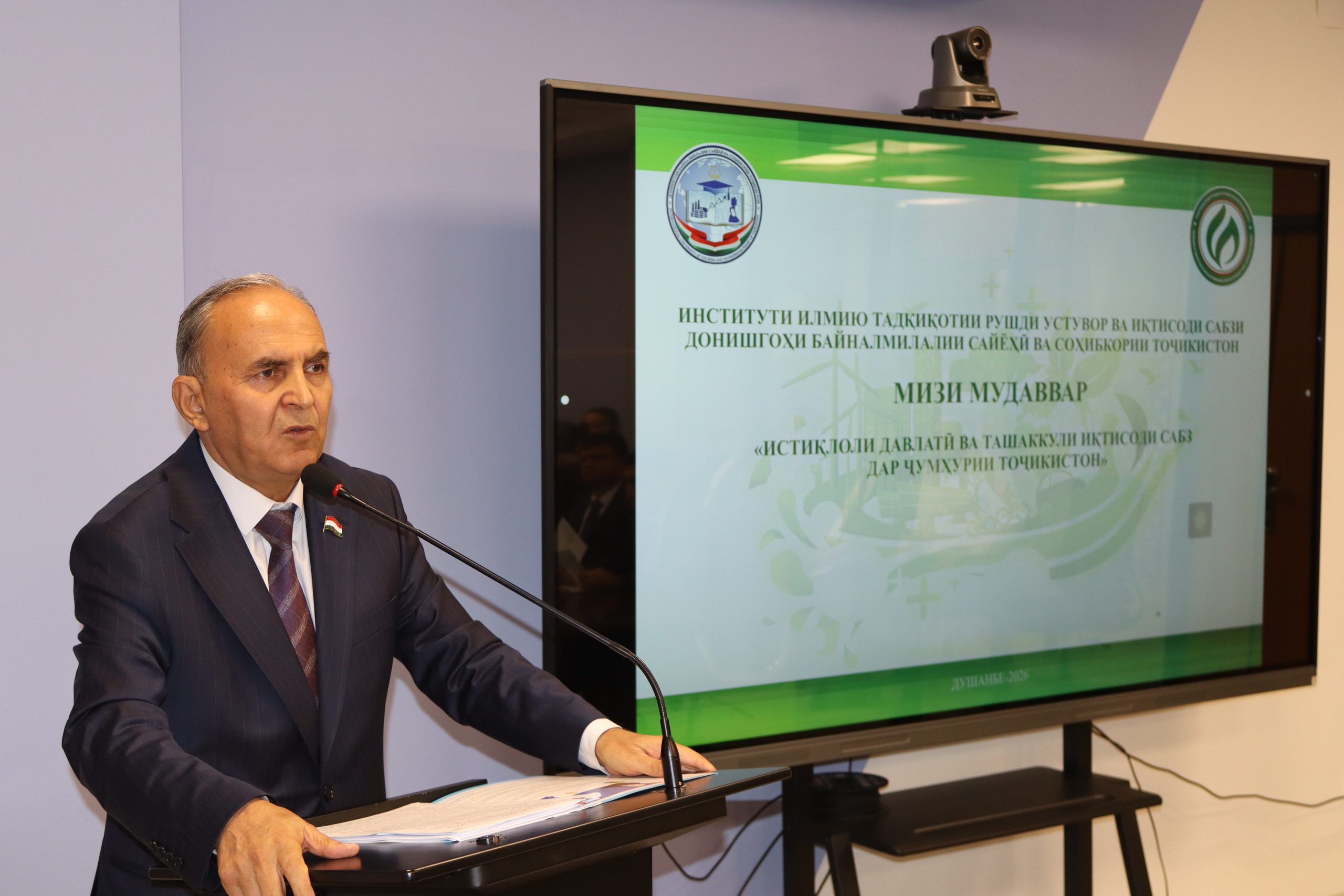
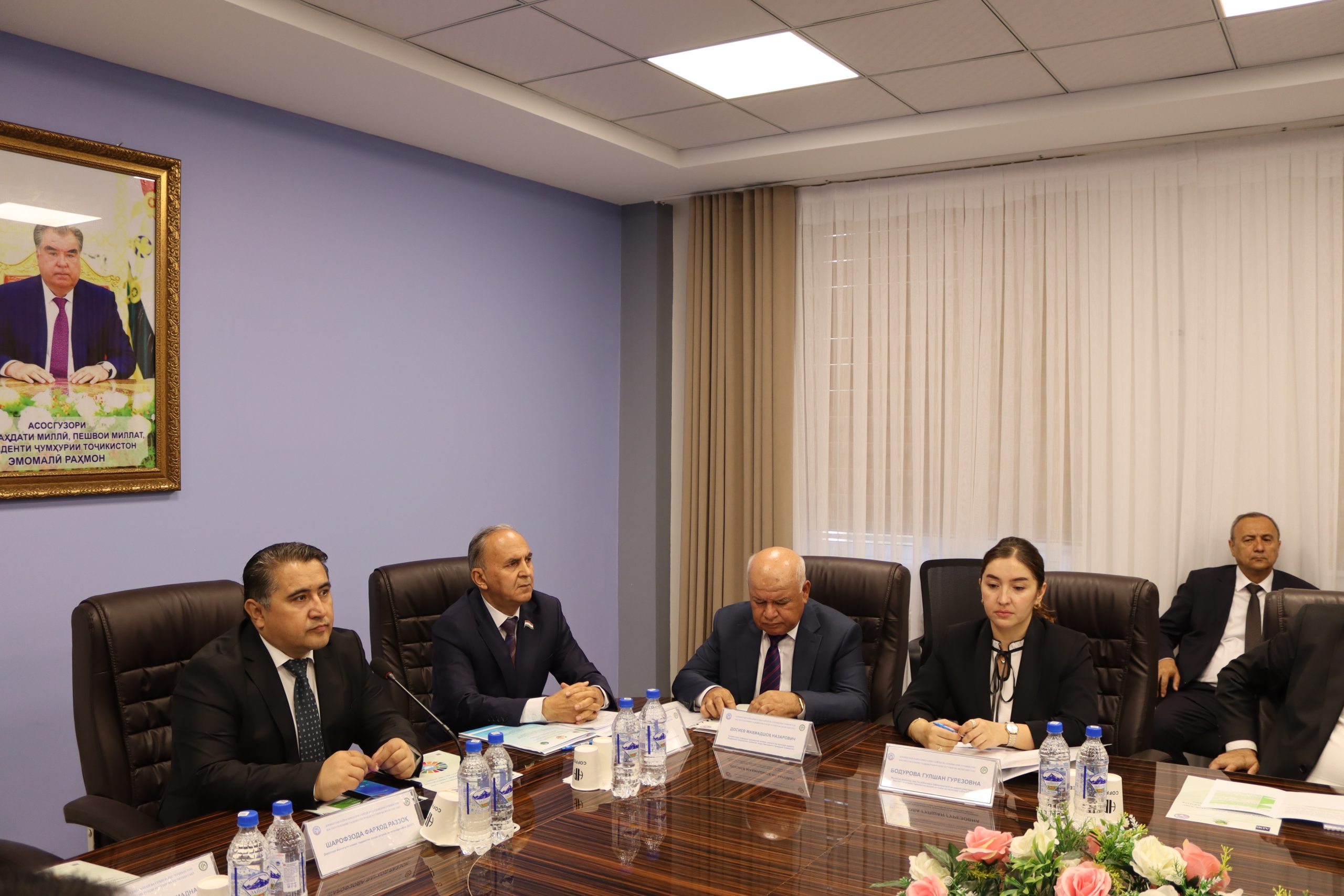
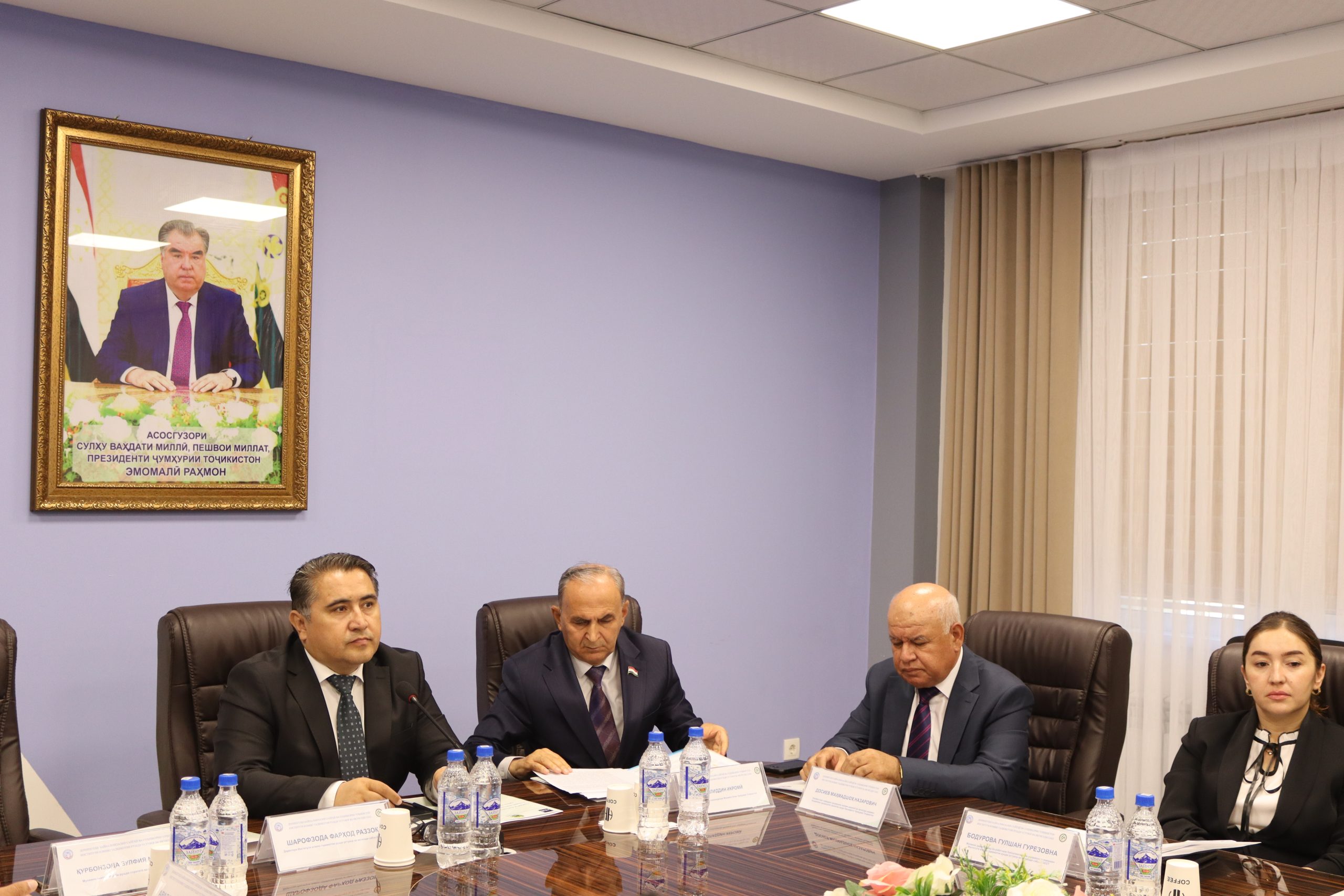
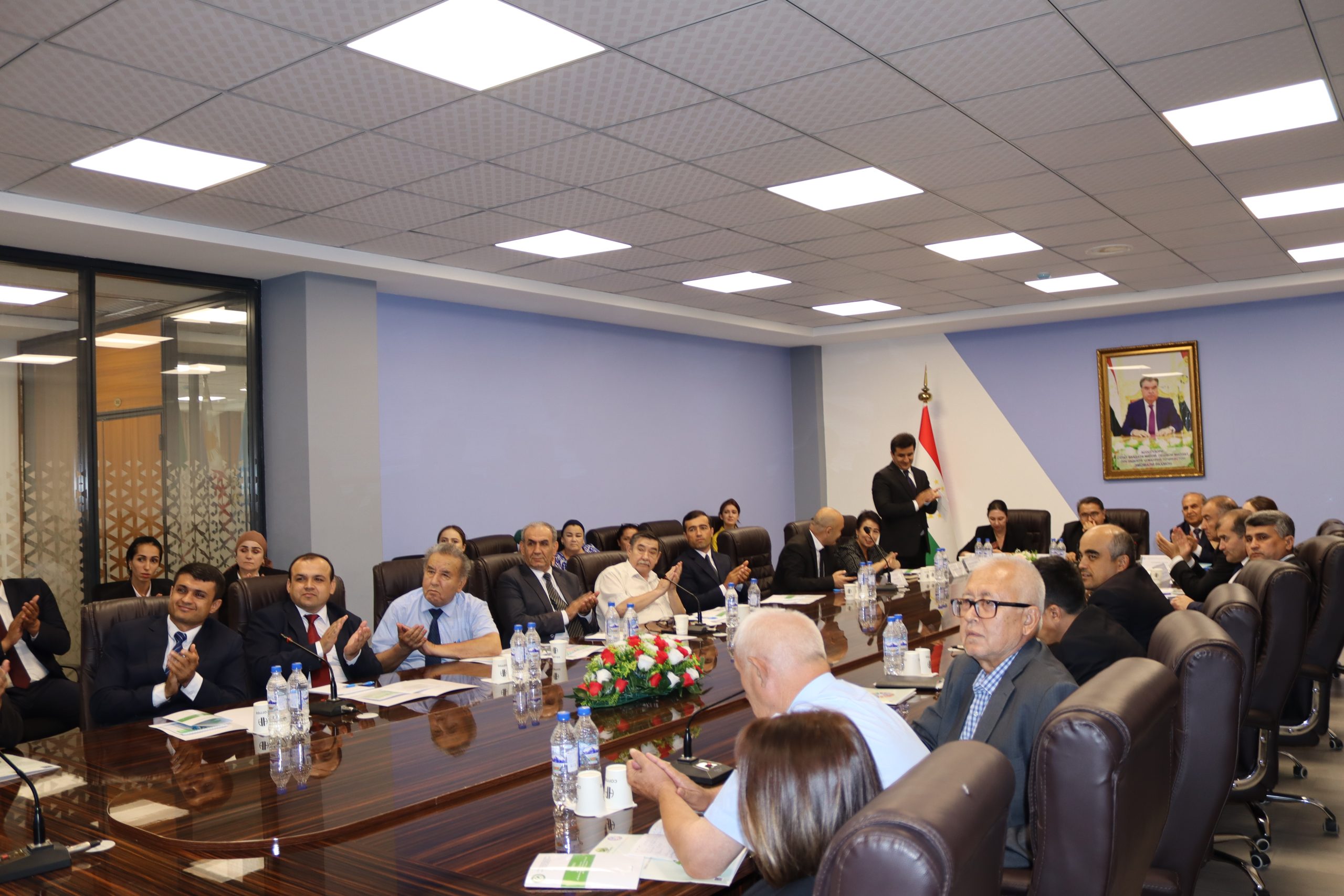
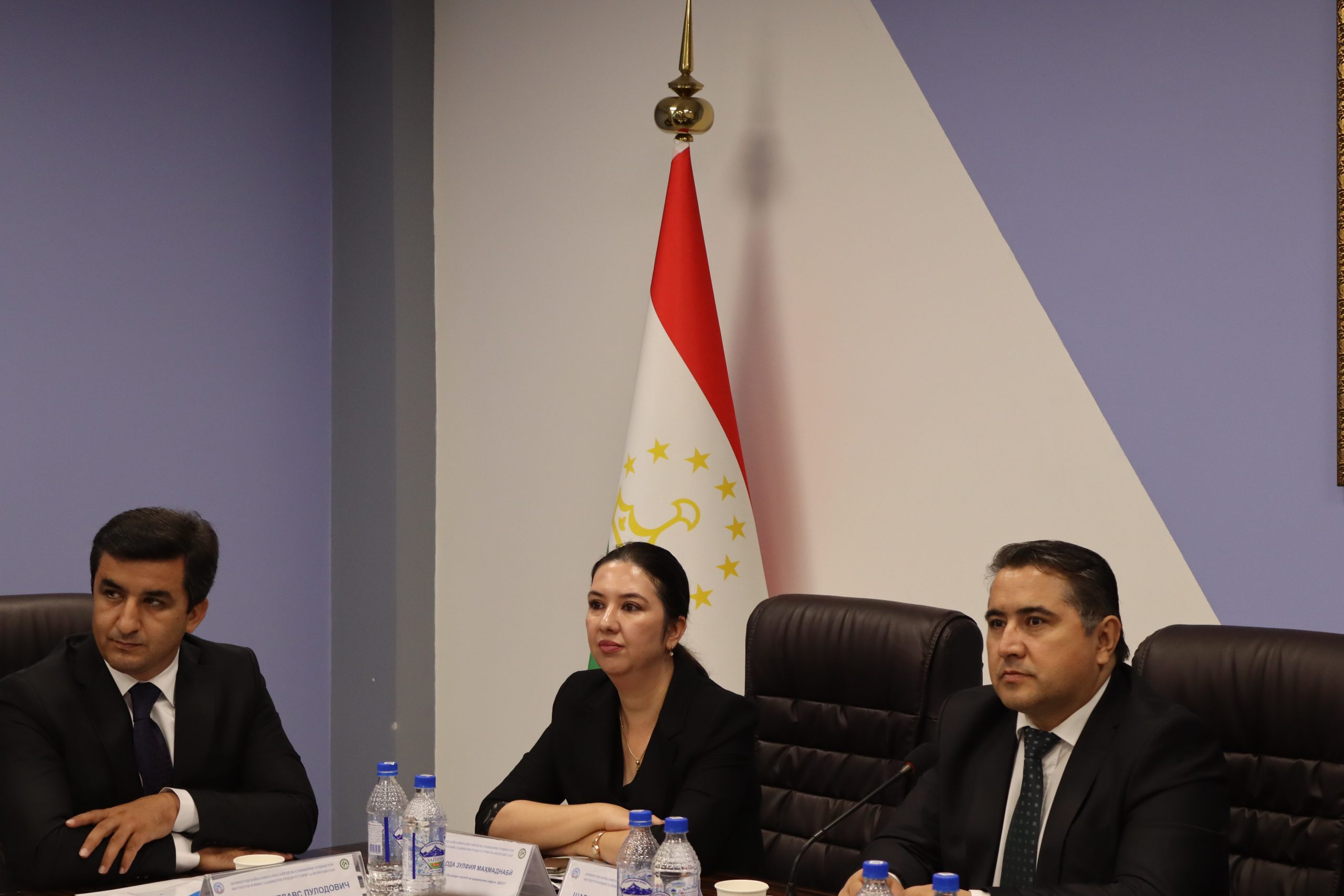
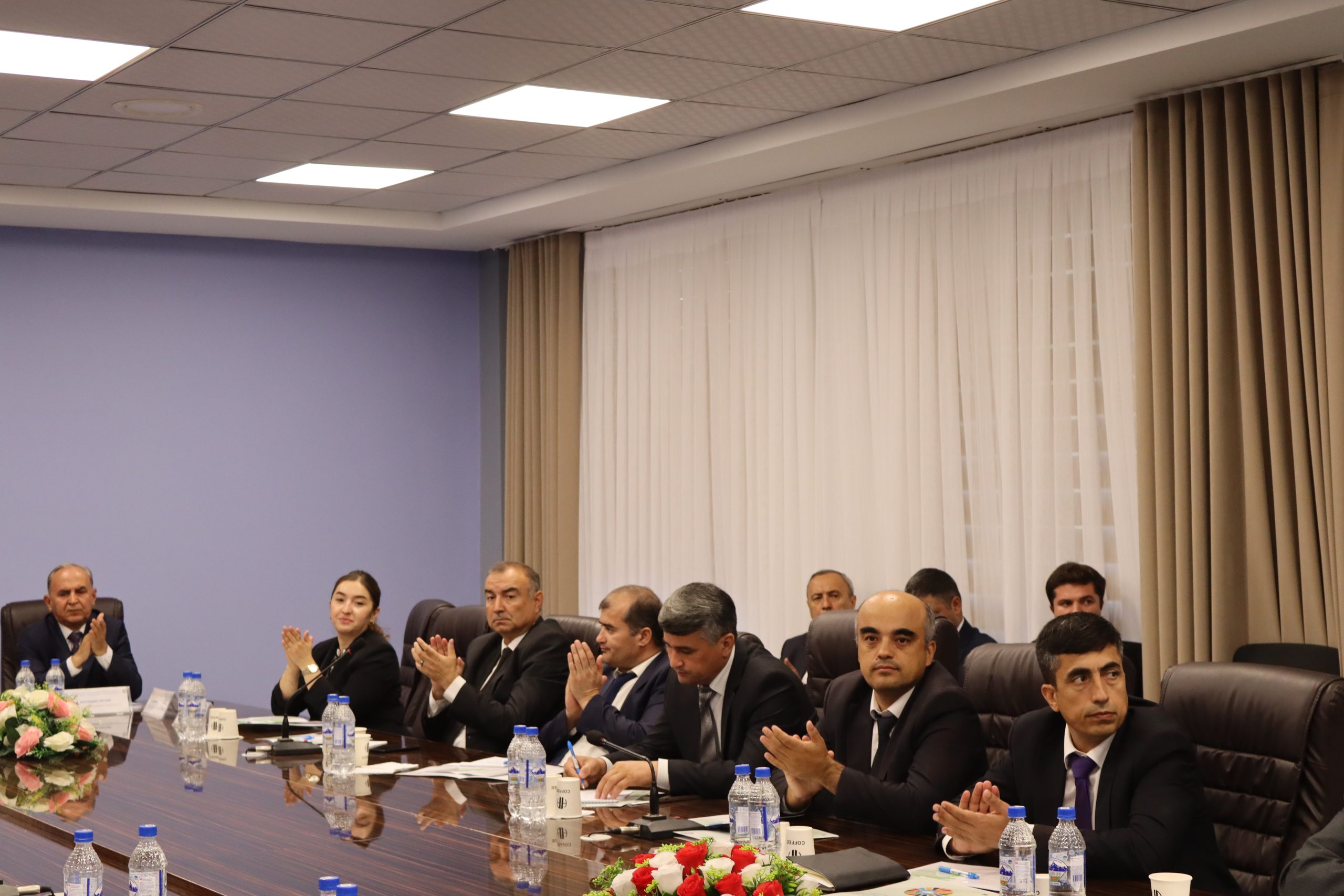
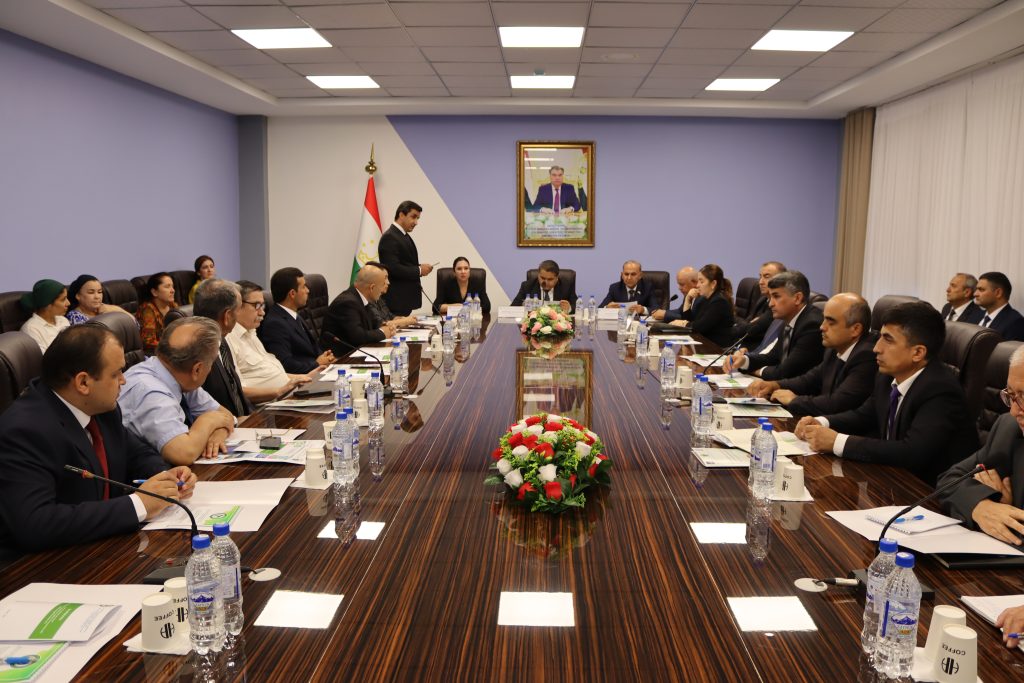
On September 5, 2026, a national roundtable entitled «State Independence and the Formation of the Green Economy in the Republic of Tajikistan» was held at the International University of Tourism and Entrepreneurship of Tajikistan on the initiative of the Research Institute of Sustainable Development and Green Economy of the University, dedicated to the 35th anniversary of the State Independence of the Republic of Tajikistan.
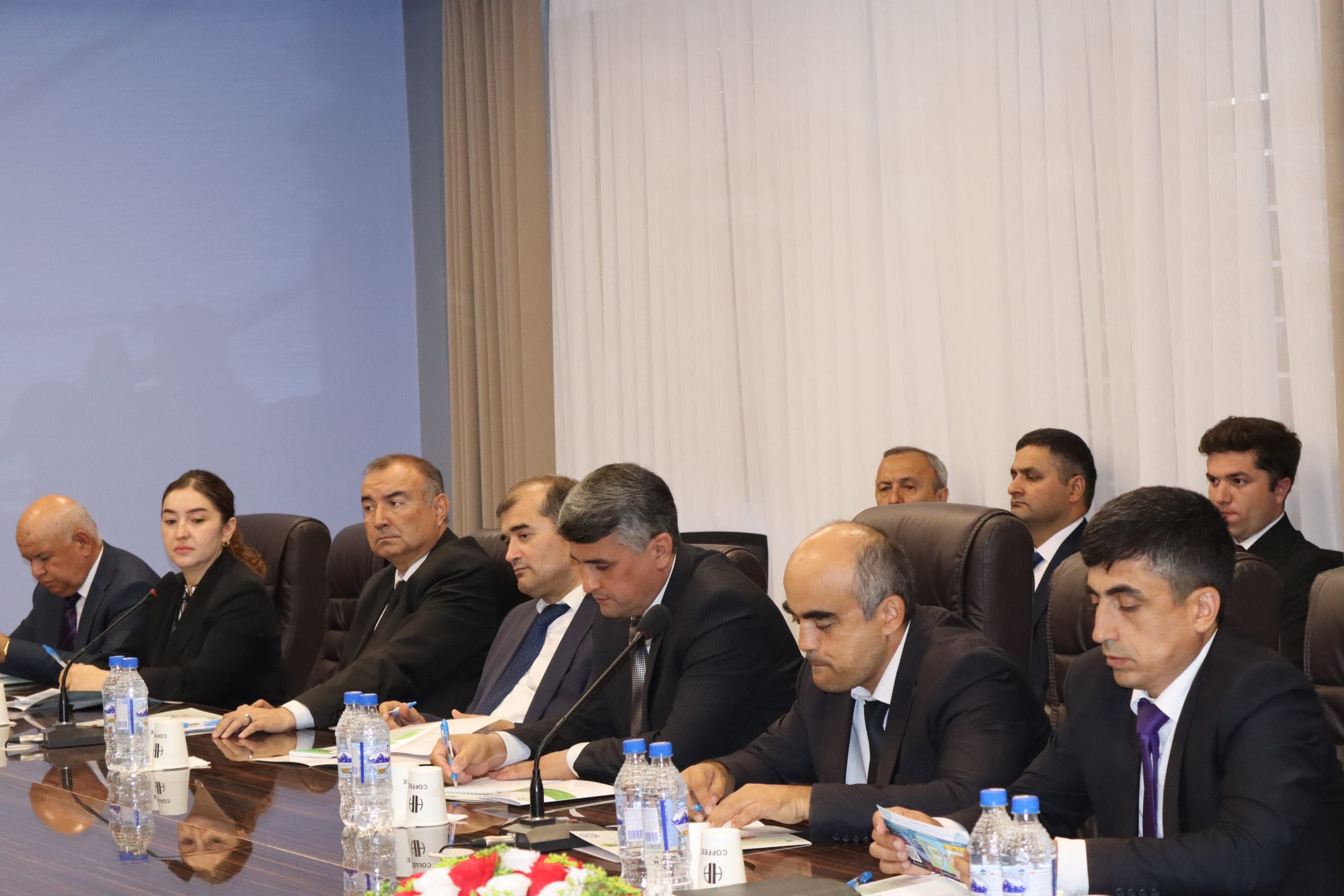
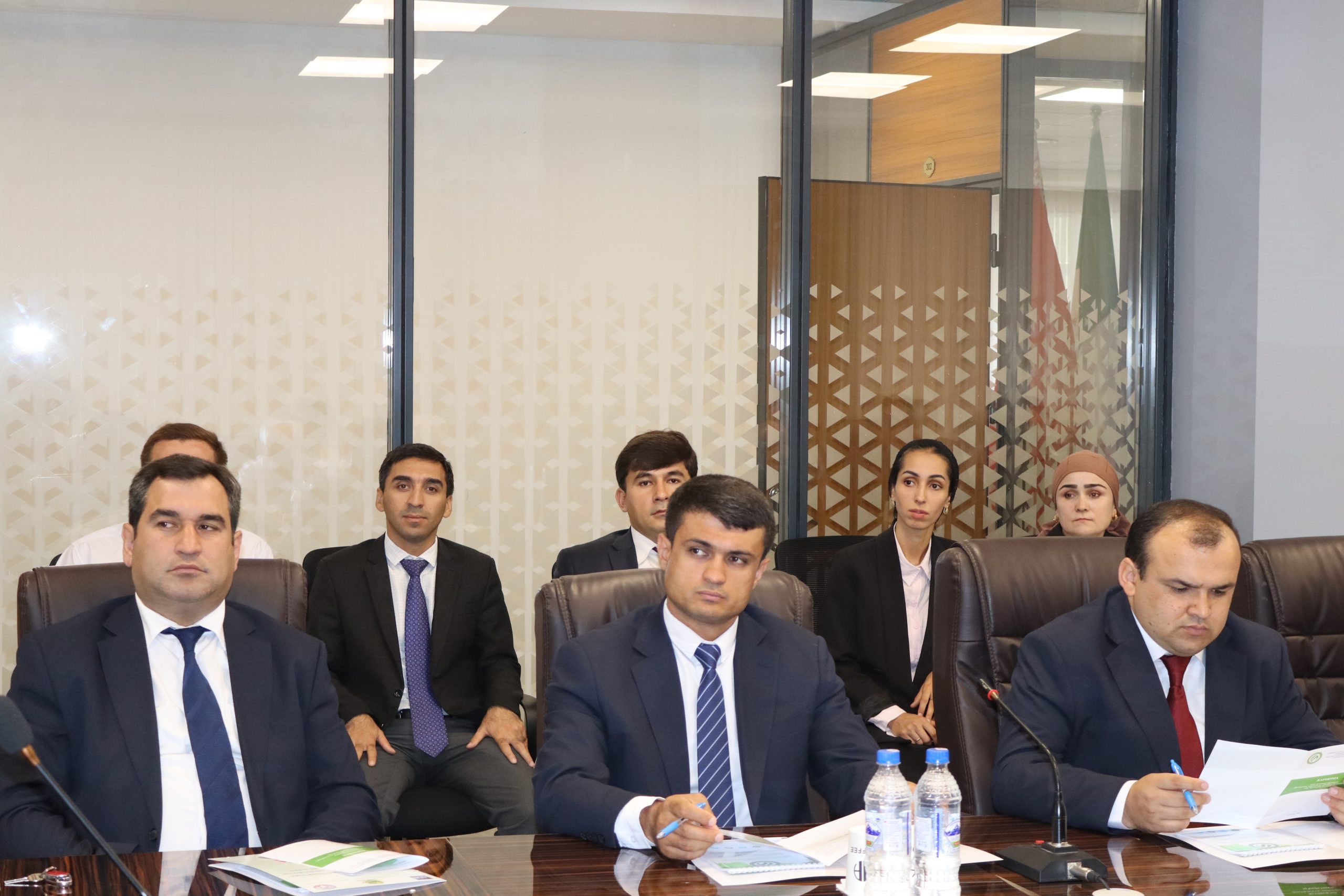
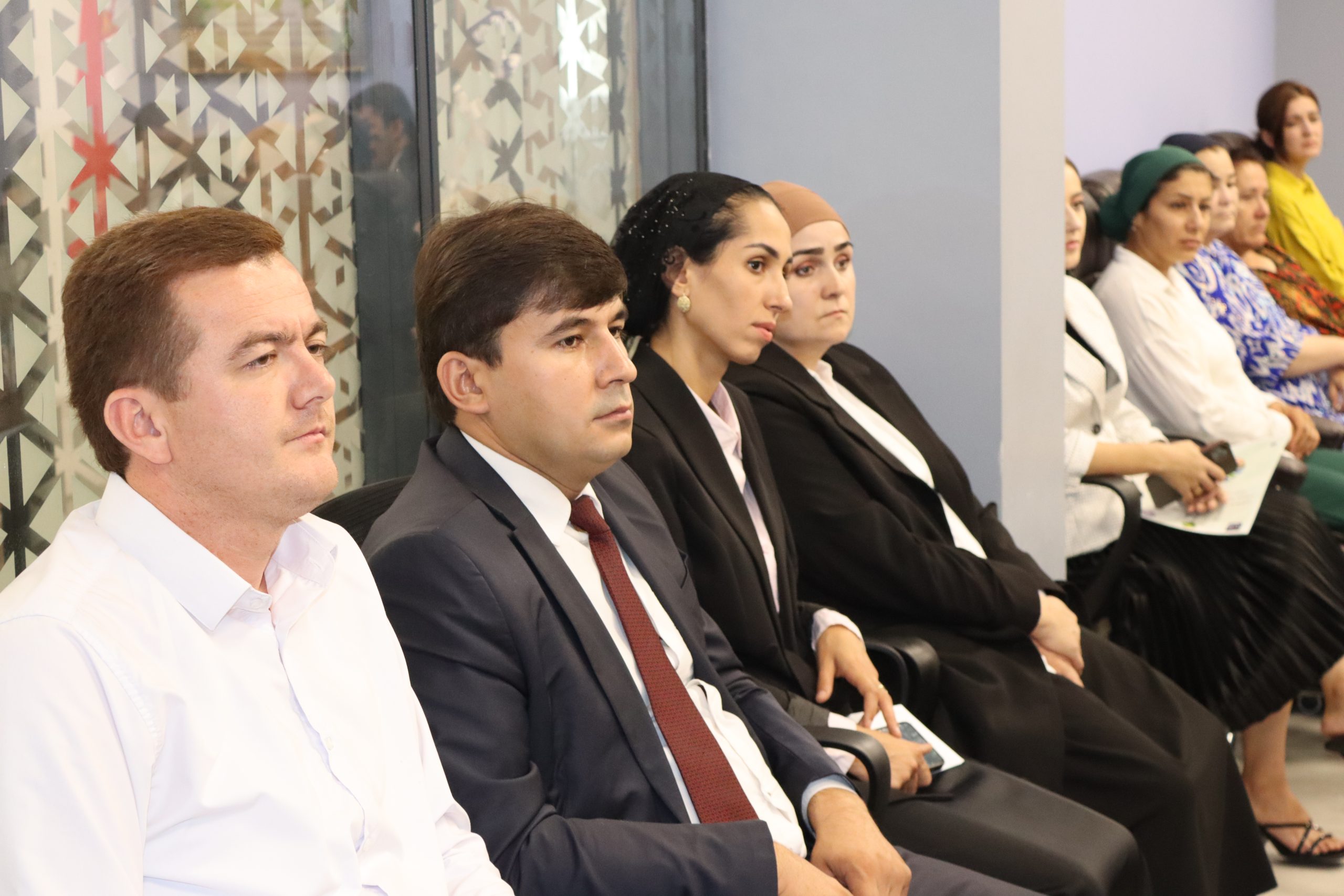
The roundtable was attended by a representative of the Majlisi Namoyandagon of the Majlisi Oli of the Republic of Tajikistan, the University’s administration, scholars and researchers, sectoral experts, professors, and representatives of the academic and literary community.
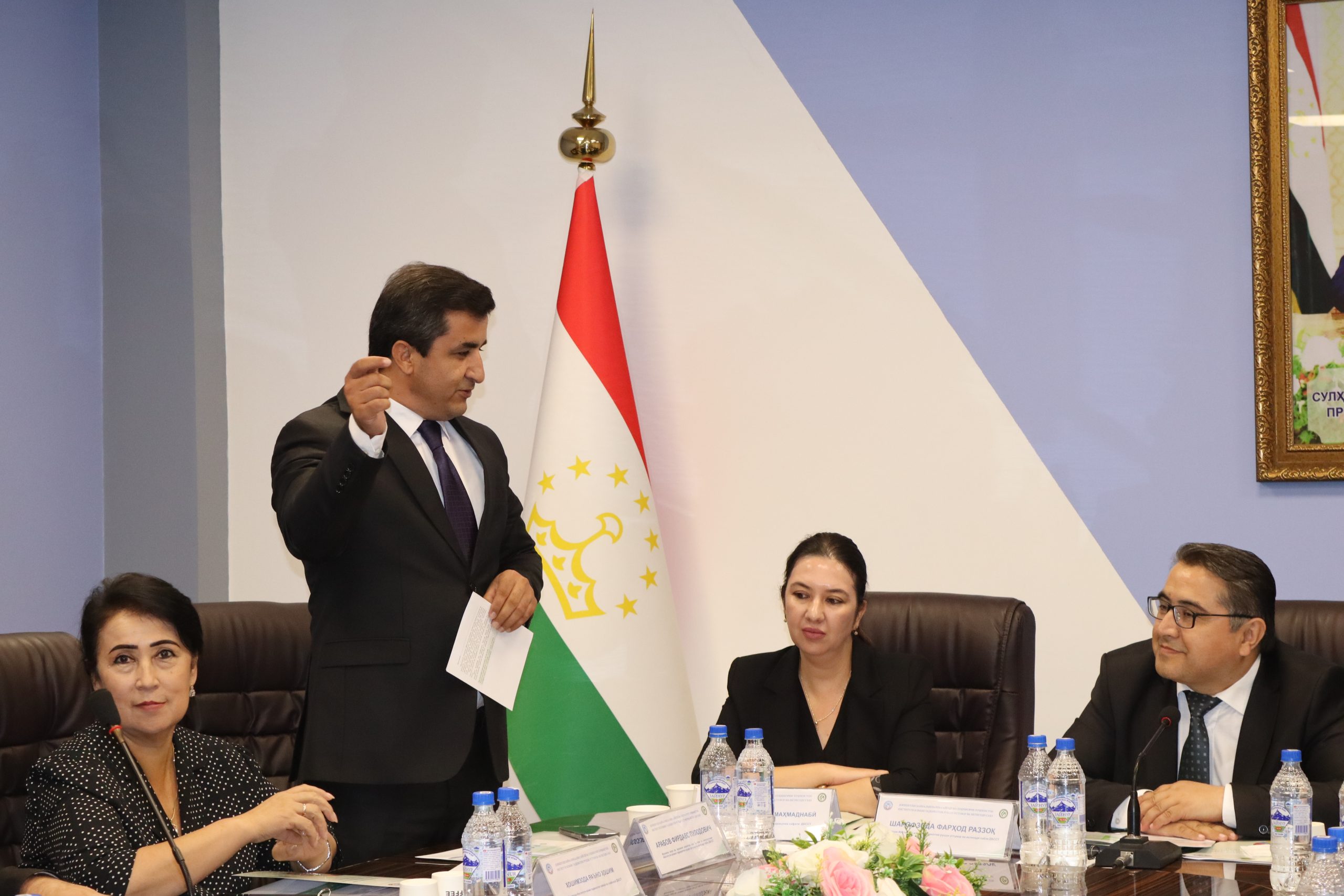
The event was opened by Farhod Razzoq Sharofzoda, Director of the Research Institute of Sustainable Development and Green Economy of the University, Doctor of Economics and Professor. In his remarks, he emphasized the historical significance of State Independence in creating a solid foundation for the country’s sustainable economic and social development and advancing modern green economy policies. It was noted that during the period of independence, under the leadership of the Founder of Peace and National Unity — Leader of the Nation, President of the Republic of Tajikistan, His Excellency Emomali Rahmon, environmental protection, the rational use of natural resources, the development of clean energy, the introduction of green technologies, and the promotion of sustainable development have become important areas of state policy.
On behalf of the administration of the International University of Tourism and Entrepreneurship of Tajikistan, Zulfiya Mahmadnabi Qurbonzoda, Vice-Rector for Strategic Development and Quality Management, welcomed the participants of the roundtable. She emphasized the important role of higher education institutions and research centers in studying sustainable development issues, training highly qualified specialists, and developing scientifically grounded approaches to the transition to a green economy.
Following this, Fazliddin Ikromi, Member of the Majlisi Namoyandagon of the Majlisi Oli of the Republic of Tajikistan and Deputy Chair of the Committee of the Majlisi Namoyandagon on Agricultural Affairs, Water Resources and Land, delivered a presentation entitled “Sustainable Agricultural Development in the Era of State Independence.” He analyzed issues related to the development of the agricultural sector, the efficient use of water and land resources, strengthening the resilience of agricultural production, and adapting the sector to changing climate conditions.
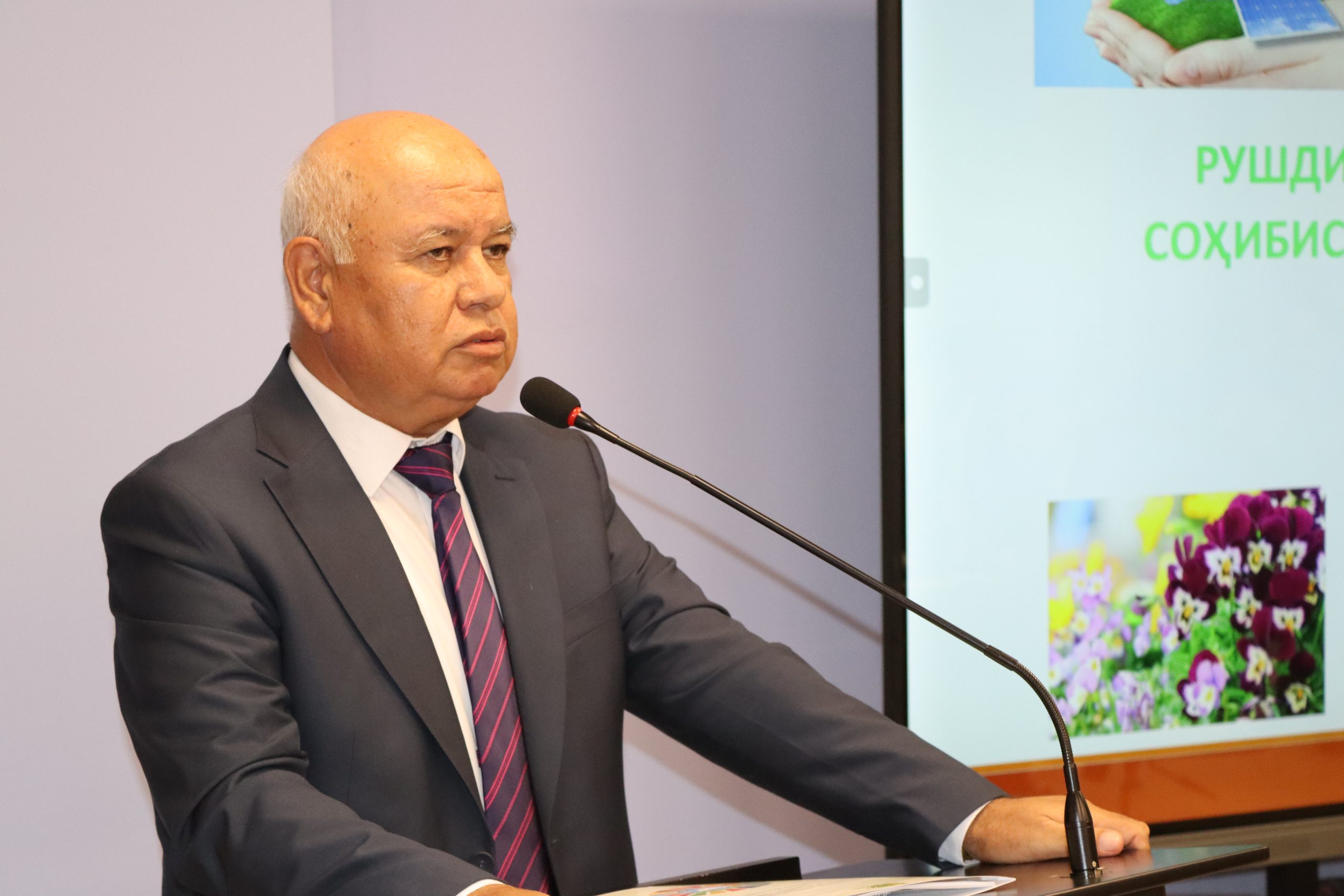
Mahmadullo Nazarovich Dosiev, Doctor of Economics and Professor at the Department of Public Finance Management and Digital Economy of the Academy of Public Administration under the President of the Republic of Tajikistan, delivered a presentation entitled “Green Economy Development during the Period of State Independence of the Republic of Tajikistan.” He addressed the theoretical and practical aspects of green economy development, the importance of environmental investments and modern technologies, the efficient use of resources, and the role of financial and governance mechanisms in achieving sustainable development goals.
The poet and member of the Union of Writers of Tajikistan, Sinoi Abu Ali, also delivered a presentation entitled “Revival of National Values in the Era of State Independence.” He emphasized the role of State Independence in strengthening national identity and self-awareness, reviving historical and cultural values, and fostering patriotic sentiment. During the roundtable, participants exchanged views on the formation of a green economy, sustainable agricultural development, the efficient use of water and land resources, the development of renewable energy, the introduction of green technologies, the strengthening of scientific research, and raising environmental awareness.
In conclusion, it was emphasized that 35 years of State Independence have represented a historic period for the Republic of Tajikistan in strengthening national statehood, promoting economic and social development, and creating a solid foundation for the transition to a modern green economy model. Strengthening cooperation among government authorities, research and higher education institutions, the private sector, and civil society can provide a reliable foundation for achieving the country’s strategic objectives, ensuring the rational use of natural resources, and fostering a competitive, green, and sustainable economy.