CHINA – A STRATEGIC PARTNER OF CENTRAL ASIA
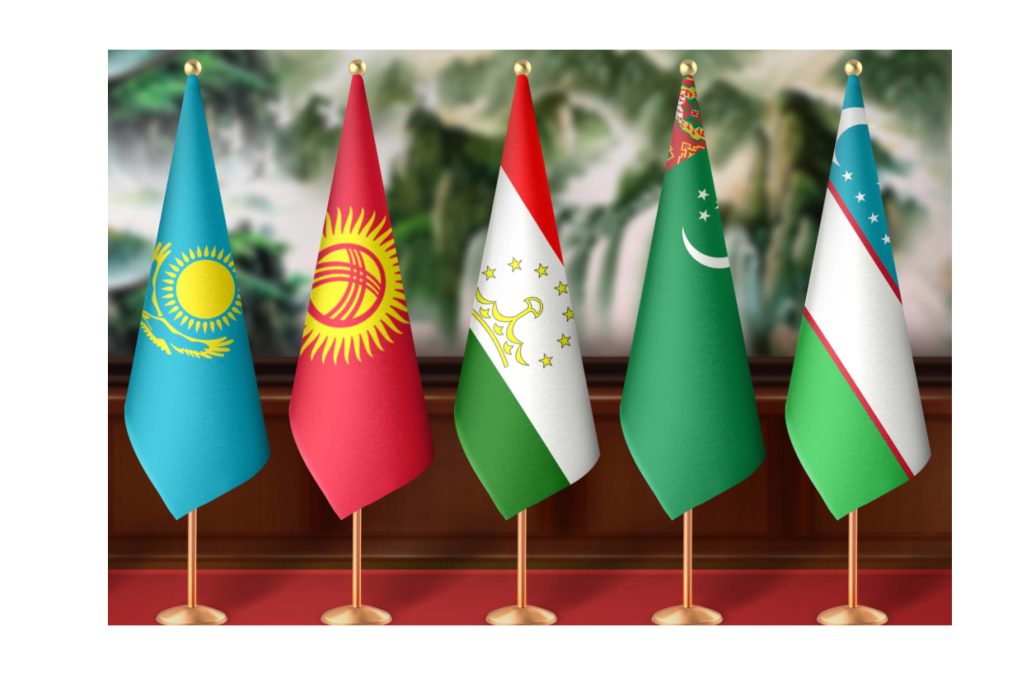
In today’s world, attention to the Central Asian region has increased due to the presence of trade corridors linking East and West, its mineral resources, and high demographic growth. With changes in international relations and shifts in the global balance of power, major actors are seeking to strengthen ties with Central Asian countries. “C5+1” summit formats with the participation of developed countries and the region are held frequently. Participants in these processes include Japan, the United States, France, Germany, Italy, India, Russia, China, and others. While most such meetings are primarily political in nature, the “Central Asia–China” summit serves as an active platform for addressing pressing global and regional challenges.
Central Asia is not only the place where China first promoted the “Belt and Road” initiative, but also a leading region in the high-quality joint implementation of this initiative. China has signed agreements with all five Central Asian countries on the joint implementation of the “Belt and Road” and has carried out a number of important projects with them, contributing to development and improved well-being for the people of the region.
Today, cooperation within the “Central Asia–China” format has been organized within a defined framework. As a result, the partnership between the region’s countries and China is developing rapidly. The agenda of the second “Central Asia–China” summit, currently taking place in Astana, Republic of Kazakhstan, with the participation of heads of state, includes issues such as strengthening regional cooperation, expanding political dialogue, deepening trade and economic ties, developing transport and transit integration, energy, innovation and sustainable development, as well as ensuring regional security, coordinating joint efforts to counter transnational threats, and promoting cultural and humanitarian exchanges. The presidents are defining future areas of cooperation and intend to give new momentum to projects in agricultural development and green energy sources.
Within the framework of the summit, the second meeting of the “China–Central Asia” Business Council was also held, during which more than 35 memoranda worth a total of over USD 17 billion were signed—demonstrating the considerable potential for further cooperation. These agreements cover key sectors ranging from green energy and infrastructure to logistics, trade, and the establishment of new centers.
It should be recalled that the first “Central Asia–China” summit took place on 19 May 2023 in Xi’an, People’s Republic of China. Since then, China–Central Asia economic and trade cooperation has achieved positive results. According to the General Administration of Customs of China, the volume of trade between Central Asia and China reached USD 94.8 billion in 2024. A key vector has been e-commerce, which creates new opportunities for faster exchange of goods and services and fits within the PRC President’s initiative to establish a pilot zone for “Silk Road e-commerce.”
According to the Xi’an International Dry Port in Chanba, where Kazakhstan’s logistics center was opened in 2024, more than 76,000 standard containers were sent from Xi’an to Central Asia via the China–Europe international railway in 2024. Thanks to this center, goods from Central Asia can enter Southeast Asian markets via Xi’an, opening an important international trade corridor for the region.
Within the framework of agreements reached at the first summit, activities on green and low-carbon development are being implemented to expand cooperation in combating climate change, including in agricultural development under conditions of water scarcity in Central Asian countries. Chinese electric vehicle manufacturers are operating in Uzbekistan and Tajikistan. China and Central Asian countries are also actively developing cooperation in tourism, joint research, educational exchanges, and more—strengthening the social foundations and public support for cooperation. At the same time, China has become one of the main destinations for students from Central Asian countries.
Successful examples of regional cooperation also include the introduction of mutual visa-free regimes between China and Kazakhstan and Uzbekistan, the implementation of the “Lubān Workshop” project, the expansion of humanitarian ties, and the opening of the first direct passenger flight route Beijing–Dushanbe by China Southern Airlines, which supports bilateral trade, economic and humanitarian exchanges, and cooperation in tourism.
Thus, China is an important investment and trade partner for Central Asian countries. China and the states of the region jointly promote the concepts of green, low-carbon, and sustainable development. These concepts define the direction of countries’ efforts in energy and technology and also create a foundation for further cooperation.
Abdurahmon Habibov, PhD (Economics), Associate Professor, Leading Research Fellow, Research Institute for Sustainable Development and Green Economy